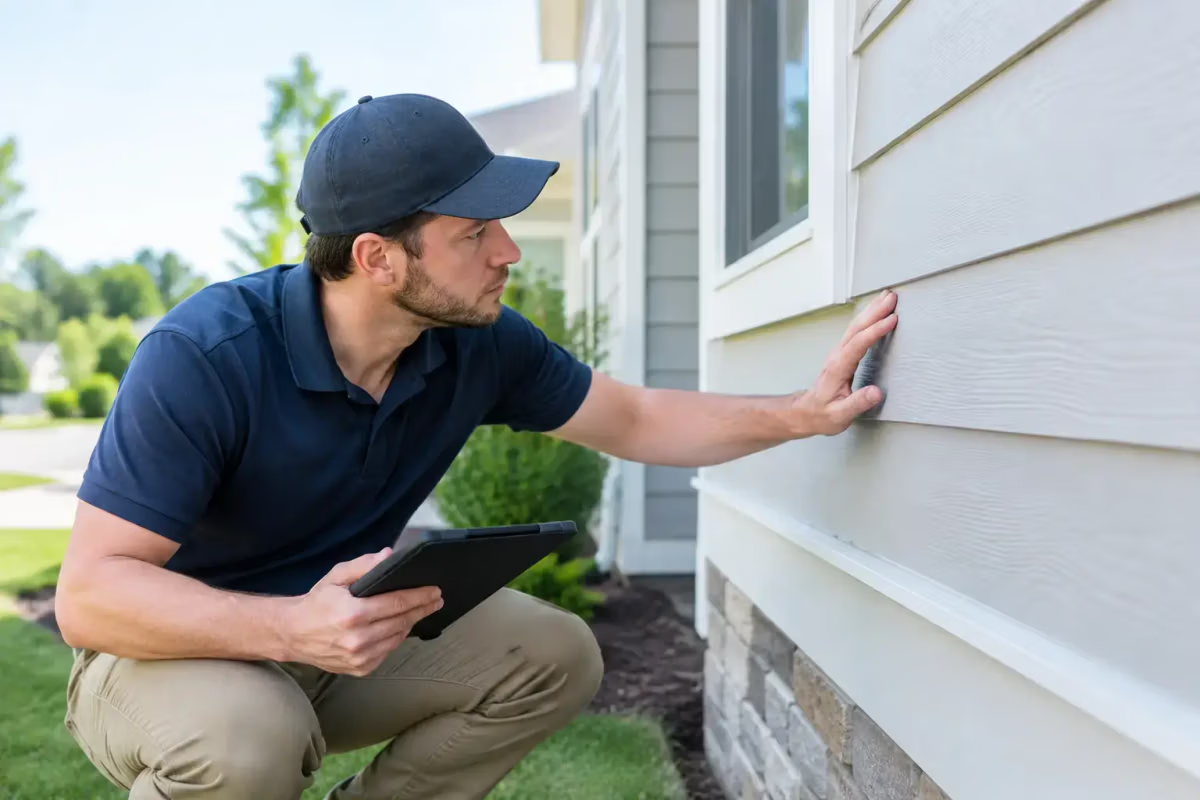
A newly built home can look move-in ready while concealed issues are already developing behind walls, beneath flooring, or inside mechanical systems. New home warranty defects are not always dramatic on day one. A small roof flashing concern, improperly sealed exterior opening, loose electrical connection, or drainage problem may become more visible only after Florida rain, heat, humidity, and regular use put the home to the test.
For buyers throughout Jacksonville, St. Augustine, and Northeast Florida, the warranty period is a valuable opportunity to identify concerns while the builder may still be responsible for corrections. The key is not waiting until a minor symptom becomes a costly repair or assuming that a new home does not need a detailed inspection.
What Counts as a New Home Warranty Defect?
A warranty defect is generally a condition involving workmanship, materials, systems, or structural performance that may be covered under the builder’s written warranty or applicable legal protections. Coverage is never automatic. It depends on the purchase contract, the builder’s warranty document, manufacturer warranties, the age of the home, and the nature of the defect.
Many new-home warranties use a tiered schedule. Workmanship and cosmetic items may have a shorter reporting window, while major systems and structural components may carry longer coverage. A common format is described as one-year workmanship coverage, two-year systems coverage, and longer structural coverage, but buyers should read their own documents carefully. Deadlines, exclusions, notice requirements, dispute procedures, maintenance responsibilities, and definitions of a defect can vary significantly.
A warranty is also not a substitute for maintenance. For example, a clogged condensate drain caused by neglected service may be treated differently from an improperly installed HVAC drain line. Likewise, normal shrinkage, settlement within stated tolerances, or minor finish variations may not qualify for repair. Good documentation helps separate normal new-home adjustments from conditions that warrant prompt builder attention.
The Defects That Deserve Early Attention
Some concerns are easy to see during a walk-through. Others require experienced observation, testing, and documentation. In Northeast Florida, moisture control, roofing details, exterior drainage, and HVAC performance deserve particular attention because our climate can expose weaknesses quickly.
Water Intrusion and Exterior Protection
Water is one of the most expensive forces affecting a home. Inspectors often look closely at roof coverings, flashing, penetrations, gutters, wall cladding, windows, exterior doors, sealant joints, balconies, and visible drainage conditions. A stain on drywall, water around a window track, a soft baseboard, or recurring moisture at a ceiling can point to a larger issue.
Not every moisture concern is a warranty defect, but it should be documented promptly. Waiting through several rainy seasons can make it harder to determine the source and may allow mold growth, wood deterioration, or interior damage to spread.
HVAC, Plumbing, and Electrical Performance
New systems can have installation defects even when they are new and under manufacturer warranty. Common concerns include poorly supported ducts, disconnected or leaking ductwork, inadequate condensate drainage, insufficient insulation around refrigerant lines, plumbing leaks, slow drains, improperly secured fixtures, missing electrical bonding, incomplete panels, and outlets that do not perform as intended.
A functioning air conditioner on inspection day does not necessarily mean the system is installed correctly or sized appropriately. In Florida, uneven temperatures, persistent humidity, condensate overflow, and short cycling should be reported rather than dismissed as routine. These conditions can affect comfort, energy use, and indoor air quality.
Roof, Attic, and Structural Indicators
Structural warranty language often has a narrow definition, so homeowners should not assume every crack or framing concern qualifies. Still, signs such as unusual slab cracking, uneven floors, doors that bind repeatedly, significant wall cracking, roof framing concerns, or visible movement deserve a professional evaluation.
Attics can reveal issues that are not obvious from the living space, including missing insulation, damaged roof sheathing, improperly routed bath exhaust vents, inadequate ventilation, and plumbing or electrical concerns. Catching these items before the warranty deadline may prevent a small correction from becoming a major repair project.
Interior Finishes and Function
Cosmetic concerns can feel minor compared with a roof leak, but warranty deadlines for finishes are often the shortest. Document cracked tile, damaged cabinets, gaps at trim, defective windows, loose railings, inoperable doors, uneven flooring, and incomplete paint before accepting a builder’s claim that the condition is normal.
The practical question is whether the condition is merely aesthetic, within stated tolerances, or affecting function and durability. Clear photos, specific locations, and descriptions of what happens when you use the item are more useful than a general complaint that something “doesn’t look right.”
Why Timing Matters More Than Most Owners Realize
The best time to address new home warranty defects is before the relevant coverage period expires. Many homeowners schedule an inspection near the end of the first year of occupancy because the home has had time to settle, experience seasonal rain, and reveal performance issues. This is often called an 11-month warranty inspection.
That timing can be highly effective, but it is not the only time to inspect. A pre-drywall inspection can identify visible framing, electrical, plumbing, and HVAC installation concerns before insulation and drywall conceal them. A final inspection before closing provides another layer of protection before the buyer takes possession. A follow-up warranty inspection helps identify issues that appeared after normal use.
It depends on the construction stage, your contract, and your confidence in the builder’s process. For an out-of-state buyer, detailed photos and a clear report can be especially valuable when it is not practical to visit the site repeatedly. For a local homeowner, a one-year inspection can provide an organized record for the builder’s warranty department.
How to Document a Warranty Claim Effectively
Builder warranty teams generally need a clear, timely notice. Verbal conversations at a jobsite are useful, but they are not enough on their own. Keep your records organized from the first walk-through forward.
Use photos and video that show both the close-up condition and the wider location. Note the room, wall, fixture, date, weather conditions when relevant, and how often the issue occurs. If a window leaks only during wind-driven rain or an HVAC system struggles during afternoon heat, write that down. Save emails, work orders, repair receipts, inspection reports, and the builder’s responses.
Submit concerns according to the warranty process and before the applicable deadline. Ask for written confirmation that the claim was received. If the builder completes a repair, inspect the work afterward. A repair that addresses a stain without correcting the water source is not a complete solution.
Avoid authorizing major repairs before giving the builder a reasonable opportunity to evaluate a covered concern, unless an emergency requires immediate action to protect people or property. Emergency mitigation, such as stopping active water damage, may be necessary, but keep records and retain damaged materials when practical. If there is a dispute about coverage, consider qualified legal guidance based on your specific contract and circumstances.
A Professional Inspection Gives You a Better Starting Point
A builder walk-through has value, but it is not the same as an independent inspection focused on your interests. An experienced inspector can evaluate accessible components, identify visible deficiencies, test representative systems, and provide documented findings in language that is useful for a warranty request.
House Authority Inspection Service provides new-construction and warranty inspections for Northeast Florida homeowners who want real results before a deadline passes. With more than 24 years of inspection experience, the team can coordinate a comprehensive inspection appointment that may also include services such as mold evaluation, indoor air quality testing, water testing, pool and spa inspection, and radon testing when those services fit the property and your concerns.
No inspection can see through every finished wall or predict every future failure. That is why homeowners should combine professional findings with regular observation. Check under sinks, look in attic spaces when safe to do so, operate windows and doors, monitor indoor humidity, and pay attention to changes after heavy rain. Small changes are often the first useful clue.
Before Your Warranty Window Closes
Do not treat the final month of warranty coverage as the first time to look closely at the home. Review your documents early, schedule enough time for a thorough inspection, and submit a clear written list of concerns before deadlines become urgent. If the builder says an item is not covered, ask for the reason in writing and compare it with the warranty language.
Your new home should provide confidence, comfort, and protection for your family. A careful warranty inspection gives you a practical chance to address concerns while there is still time to act.