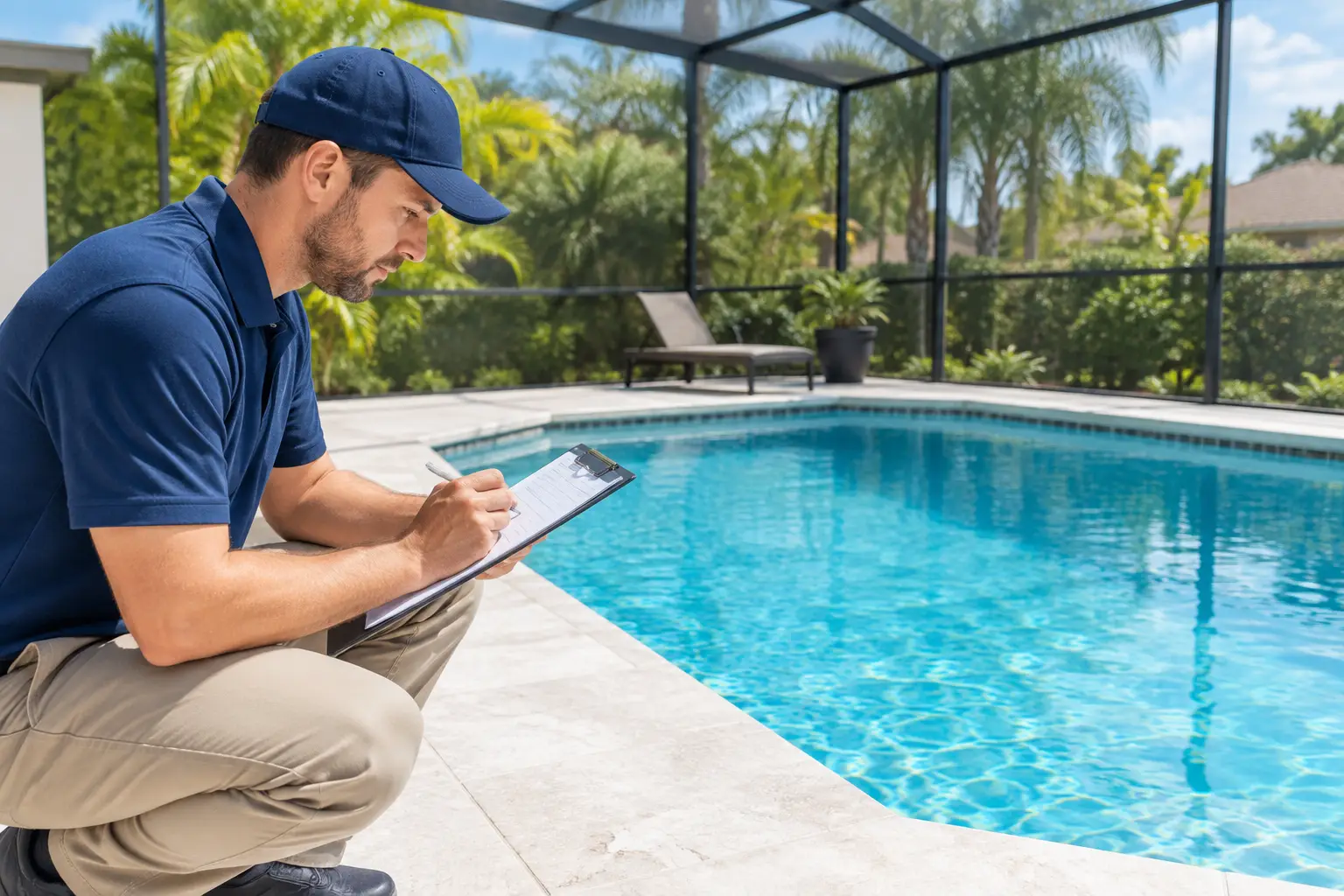
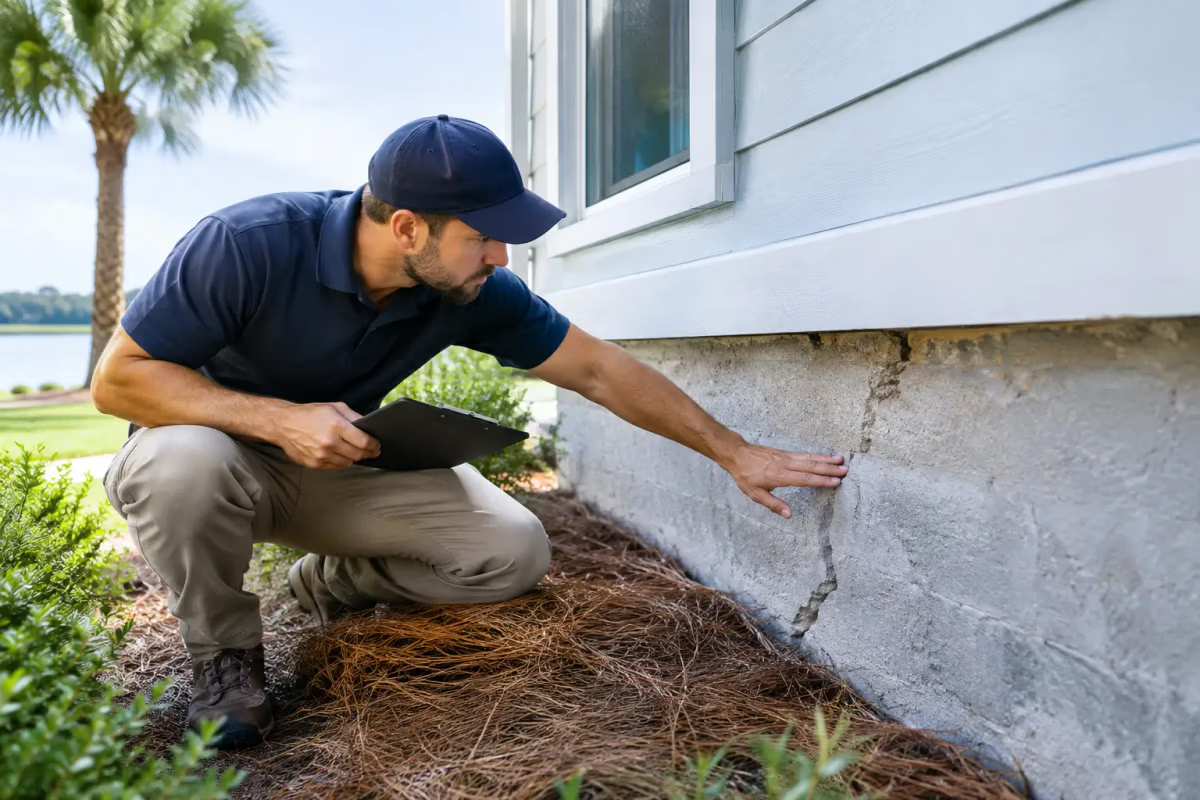
A pool inspection cost is small compared with the financial and safety consequences of buying a Northeast Florida home with a failing pump, damaged pool shell, unsafe electrical equipment, or a leak hidden below the deck. For buyers, a pool is not just an attractive backyard feature. It is a separate system with its own structure, plumbing, electrical components, safety requirements, and ongoing maintenance needs.
A qualified inspection gives you practical information before closing, when you still have options. It can support repair negotiations, help you plan a realistic maintenance budget, and identify safety concerns that should not be left for later.
What Is the Typical Pool Inspection Cost?
Pool inspection pricing varies by property, pool type, and the scope of the inspection. In Northeast Florida, the cost is generally influenced by whether the pool inspection is scheduled on its own or included with a home inspection and other needed services. Combining services during one appointment can be more convenient and may reduce the time, scheduling, and access coordination required for a buyer, seller, or real-estate professional.
A basic visual pool inspection may cost less than a detailed assessment that includes a spa, heater, extensive equipment, unusual water features, or additional testing. The right question is not simply, “What is the lowest price?” It is, “What systems will be inspected, documented, and explained?”
An inspection that overlooks a defective circulation system or unsafe bonding issue can create far more expense than the inspection fee. A clear report with photos and actionable findings gives you information you can use during a transaction or while managing a home you already own.
What Affects Pool Inspection Cost?
Every pool property is different. A compact in-ground pool with accessible equipment is typically faster to assess than a larger pool and spa with a heater, automation controls, a saltwater system, waterfall features, and a screened enclosure. Age also matters. Older pools may have equipment near the end of its service life, outdated electrical components, deteriorated deck surfaces, or visible repair history that deserves closer attention.
The inspection scope is another major factor. A professional pool and spa inspection commonly involves evaluating visible conditions of the pool structure, deck, coping, interior finish, circulation equipment, filtration, pumps, visible plumbing, electrical components, heaters, safety features, and accessible controls. Inspectors also look for signs of leaks, cracking, corrosion, inadequate drainage, damaged barriers, and conditions that could affect safe operation.
Water chemistry and water quality are related but separate considerations. A visual inspection can identify staining, algae, cloudy water, or other conditions that suggest maintenance concerns. However, specialized water sampling may be appropriate when a client needs more information about water quality. Similarly, a suspected underground leak may require leak detection or a specialist evaluation beyond the scope of a standard inspection.
Location and access can affect the appointment as well. In Jacksonville, St. Augustine, Saint Johns, and surrounding Northeast Florida communities, inspectors often encounter homes with pools that have been unused, vacant, covered, winterized, or affected by recent storms. Equipment must be accessible for a meaningful inspection. If the pool is closed, the water level is too low, or power is off, some components cannot be operated or fully evaluated.
What Should a Pool Inspection Cover?
A useful pool inspection should go beyond a quick look at whether the water appears clean. Clear water does not prove that the equipment works properly, the pool is structurally sound, or the electrical installation is safe.
The inspector should assess the visible pool shell or liner, tile, coping, deck, steps, handrails, ladders, drains, skimmers, returns, and visible plumbing connections. Cracks may be cosmetic, but they may also point to movement, moisture intrusion, or a need for further evaluation. The report should distinguish observed conditions from speculation and identify when a qualified pool contractor, electrician, or other specialist should investigate further.
Equipment evaluation is equally important. Pumps, filters, heaters, chlorinators, timers, valves, and automation systems can be costly to repair or replace. An inspector can identify visible defects, improper installation, leakage, corrosion, unusual operation, or components that are not functioning at the time of the inspection.
Safety is central to the process. Florida pool homes should be evaluated with attention to barriers, gates, latches, alarms, pool-access doors, electrical safety, and visible trip or fall hazards. Requirements and conditions can vary by property, construction date, and local circumstances, but safety concerns should be clearly documented. This is particularly important for households with children, guests, renters, or frequent visitors.
Why a Low Price Is Not Always the Best Value
It is understandable to compare inspection fees, especially when buyers are already paying for appraisals, surveys, insurance inspections, lender fees, and moving costs. Still, a pool inspection should be judged by the quality of the assessment and reporting, not only by the number on the invoice.
A lower-priced service may offer a limited visual review without operating equipment, evaluating safety features, or providing photos that make findings easy to understand. It may also leave you with a vague statement that a pool is “serviceable,” without identifying the age, condition, or visible deficiencies of major components.
A more thorough inspection can help you avoid surprises after closing. For example, a pool heater that does not operate, a leaking pump, a cracked deck, or an unsafe gate may each require immediate attention. Some issues are manageable maintenance items. Others can affect your ability to safely use the pool from day one.
For an out-of-state buyer, detailed photos and a timely report are especially valuable. You may not be able to attend the inspection in person, yet you still need a straightforward explanation of what was observed and what should happen next.
When to Add a Pool Inspection to a Home Inspection
The best time to schedule a pool inspection is during the home inspection period, before your purchase decision is final. Adding it to a coordinated appointment allows you to understand the pool in the context of the entire property, including the home’s electrical system, drainage conditions, exterior surfaces, and any insurance-related inspection needs.
This approach is practical for buyers purchasing a home with a pool and spa, an older pool, visible equipment concerns, or a property that has been vacant. It can also be worthwhile when the seller has limited maintenance records or when you are unsure how long the system has been in service.
Current homeowners can benefit as well. Consider an inspection before listing a property, after a major storm, before investing in renovations, or when recurring maintenance issues are becoming expensive. Sellers who identify concerns early have more control over repairs and fewer last-minute surprises during negotiations.
Questions to Ask Before You Schedule
Before choosing an inspector, ask whether the service includes the pool, spa, visible equipment, safety features, and operation of accessible components. Ask what happens if the equipment is not powered on, the water is too low, or the pool is inaccessible. You should also know how findings are delivered, whether photos are included, and how quickly you can expect the report.
It is also wise to ask about inspector experience and credentials. Pool systems combine water, electricity, mechanical equipment, surfaces, and safety barriers. An experienced inspector knows how to document visible concerns without overstating what can be determined during a non-invasive inspection.
House Authority Inspection Service provides a one stop shop approach for Northeast Florida buyers and homeowners who need a pool and spa inspection alongside a general home inspection, WDO inspection, mold testing, radon testing, water testing, or insurance-focused services. Coordinating needed inspections in one appointment can reduce stress during a fast-moving transaction while providing real results you can use.
A pool should add enjoyment to your Florida home, not uncertainty to your purchase. Schedule the right inspection early, review the findings carefully, and use the information to make a confident decision for your property, budget, and family.