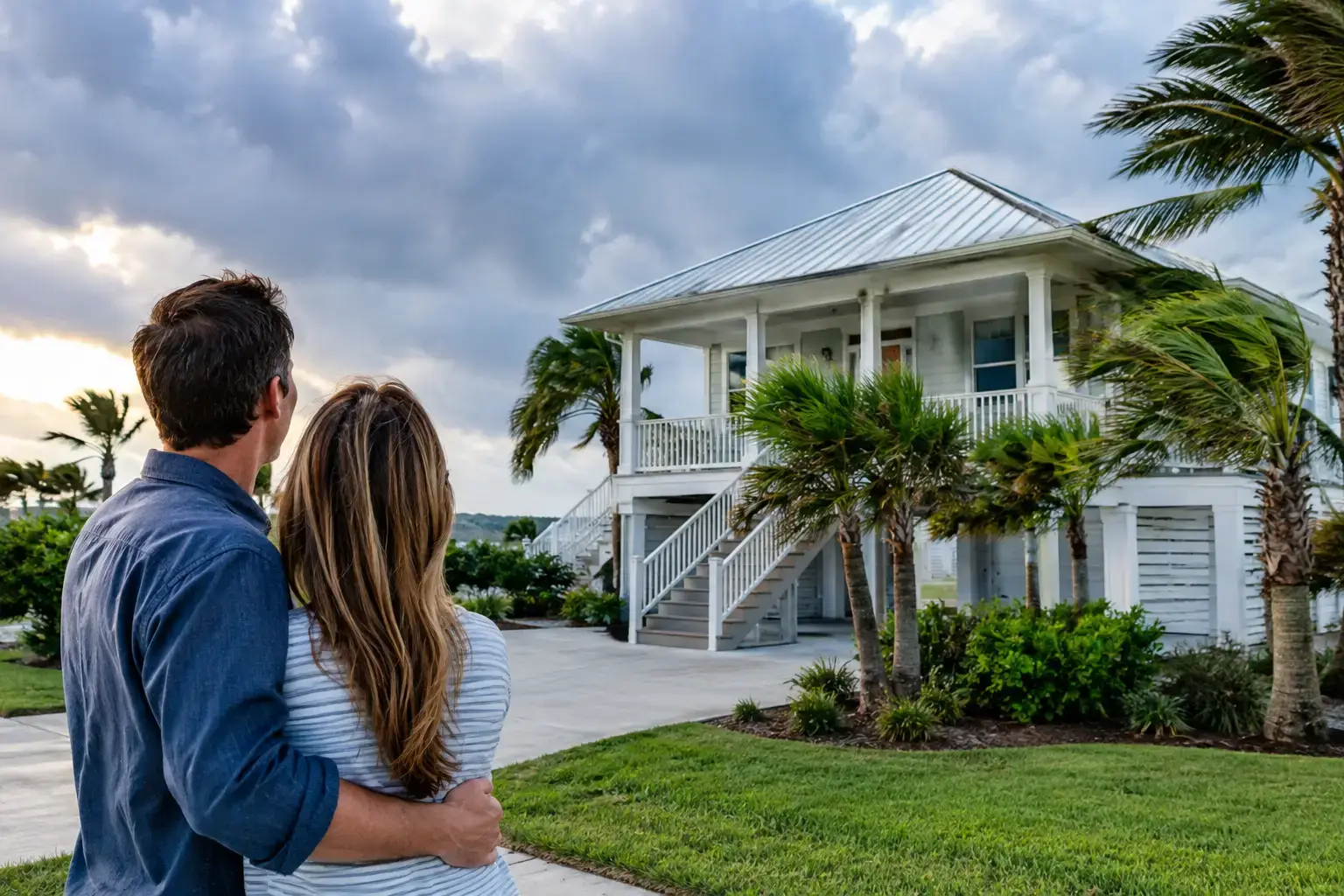
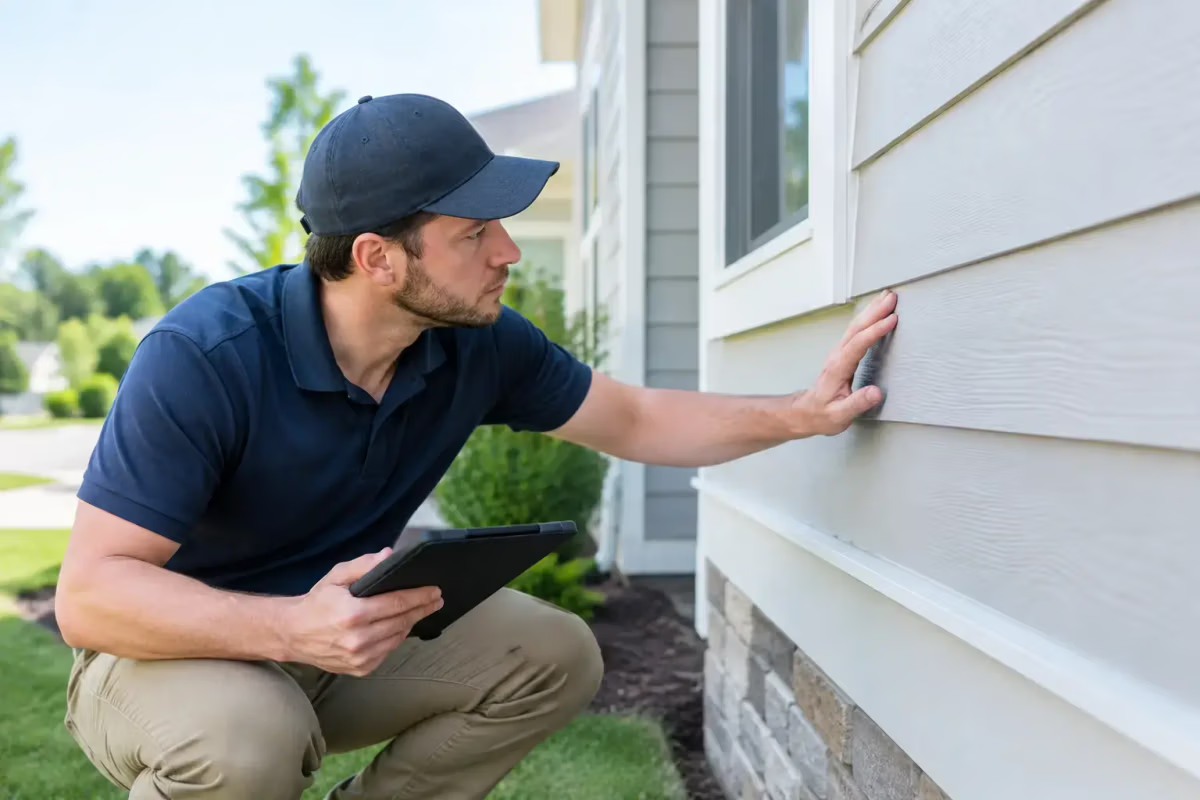
A home can look move-in ready and still create an insurance problem that surfaces days before closing. In Northeast Florida, uninsurable home factors often involve the roof, electrical system, plumbing, HVAC equipment, prior water damage, or signs of wind and pest exposure. Finding these conditions early gives buyers and homeowners time to make decisions, obtain repair estimates, or pursue the coverage documentation an insurer may require.
For a buyer, insurance eligibility is part of affordability. A property that cannot obtain acceptable coverage may not satisfy a lender, may require costly repairs before binding a policy, or may carry premiums that change the entire purchase calculation. For current owners, the same issues can lead to nonrenewal notices, inspection requests, or reduced options at renewal.
Why Uninsurable Home Factors Matter in Florida
Florida homes are evaluated through a different risk lens than homes in many other states. Hurricanes, wind-driven rain, heat, humidity, lightning, termites, and aging building components all affect the likelihood and severity of a claim. Insurers set their own underwriting requirements, so there is no single checklist that guarantees coverage. Still, certain conditions repeatedly draw scrutiny.
A standard buyer’s inspection identifies visible deficiencies and maintenance concerns, but insurance decisions commonly depend on additional reports. A 4-point inspection focuses on the roof, electrical, plumbing, and HVAC systems. A wind-mitigation inspection documents eligible wind-resistance features. Depending on the property and carrier, a roof certification, WDO inspection, plumbing evaluation, or proof of completed repairs may also be requested.
The goal is not to label every older home as a bad purchase. Many older Jacksonville and St. Augustine area homes are sound, well-maintained properties. The question is whether their systems, materials, condition, and documentation meet the standards of the insurer you plan to use.
The Most Common Uninsurable Home Factors
An aging or damaged roof
Roof age is one of the most frequent insurance obstacles in Florida. Carriers may set different limits by roof type, condition, and policy type, but a roof near the end of its expected service life can limit coverage options even when it is not actively leaking. Missing shingles, deteriorated sealant, lifted flashing, soft areas, exposed fasteners, ponding water, and prior patchwork can all raise concern.
A roof inspection can document visible condition and remaining concerns, but it cannot promise that a particular carrier will accept the roof. Buyers should avoid assuming a roof is insurable solely because it has not leaked inside the home. Ask for the roof’s installation date, permits when available, invoices, warranties, and any prior repair records. These details can matter when an insurance agent submits the property for underwriting.
Electrical systems that present a fire risk
Outdated electrical equipment is another common reason a carrier may decline, restrict, or condition coverage. Panels with known safety concerns, damaged breakers, double-tapped connections, aluminum branch wiring, exposed conductors, open junction boxes, or evidence of overheating deserve prompt professional evaluation.
Not every electrical issue requires a full rewiring project. Sometimes the practical solution is a panel replacement, properly installed connectors, repairs by a licensed electrician, or updated documentation. The trade-off is cost and timing: electrical corrections completed before closing can improve insurability, while repairs deferred until after closing may leave a buyer with fewer policy choices.
Plumbing materials, leaks, and water-damage history
Water losses are expensive, and insurers pay close attention to plumbing age and condition. Older supply lines, corroded piping, active leaks, staining below fixtures, deteriorated drain components, and signs of previous moisture intrusion can all affect underwriting. Certain older pipe materials may receive additional attention because of their claim history.
A clean-looking cabinet does not always settle the question. An inspection may identify visible warning signs, while repair invoices, repiping records, and a plumber’s assessment can provide the insurer with useful clarity. Where staining or elevated moisture is present, mold testing or further investigation may be appropriate to understand the source and extent before a policy decision or closing deadline.
HVAC systems in poor condition
An aging air-conditioning system does not automatically make a house uninsurable, but a nonfunctioning system, condensate leak, unsafe installation, or severe deterioration can contribute to concerns about water damage, indoor humidity, and deferred maintenance. In Florida’s climate, reliable cooling is closely tied to moisture control.
A home inspection can identify visible HVAC concerns and recommend service by a qualified contractor when needed. Buyers should also ask about the system’s age, maintenance history, and whether the air handler or ductwork shows signs of leakage, microbial growth, or water damage. A modest service call before listing can be far less disruptive than an insurance issue during a transaction.
Wind vulnerability and storm-related damage
A home does not need to be newly built to qualify for wind-related credits, but its protective features must be verified. Roof-to-wall connections, roof-deck attachment, opening protection, roof geometry, and other construction details may influence wind-mitigation results. Documentation matters because insurers generally need confirmation from a qualified inspection report rather than a seller’s verbal description.
Visible storm damage also requires attention. Loose soffits, compromised roof coverings, damaged siding, deteriorated exterior sealants, and unrepaired water intrusion can signal a property that may be more vulnerable in the next storm. These conditions can affect both insurability and the buyer’s future repair budget.
Wood-destroying organisms and structural deterioration
Termites, wood rot, and other wood-destroying organisms can create insurance concerns when they indicate ongoing damage or compromised structural elements. In coastal and humid parts of Northeast Florida, moisture management is especially important. Damaged trim, crawlspace moisture, soft framing, fungal growth, or deteriorated exterior wood should not be treated as cosmetic until the cause is understood.
A WDO inspection documents visible evidence of infestation or damage and can help distinguish between an old, treated condition and an active concern requiring treatment or repair. If structural deterioration is present, a specialist may be needed to determine scope and repair requirements.
Documentation Can Change the Conversation
Insurers underwrite the home in front of them, not the home a seller says it used to be. A repair may be perfectly adequate, but it is harder to verify without invoices, permits, photographs, contractor information, and an updated inspection report when appropriate.
For sellers, gathering records before listing can prevent last-minute confusion. For buyers, requesting these documents during due diligence provides a more accurate picture of ownership costs. This is particularly valuable for out-of-state purchasers and military families relocating on a tight schedule, who may not have time to chase records after an insurer asks for them.
A detailed inspection report with clear photos gives buyers, agents, contractors, and insurance professionals a common starting point. It can help separate a repairable deficiency from a condition that changes the purchase decision.
How to Protect Your Insurance Options Before Closing
Start the insurance conversation early, ideally during the inspection period rather than after negotiations are complete. Provide the property address, age, roof information, and any inspection findings to an insurance professional as soon as possible. If a carrier requests a 4-point, wind-mitigation, roof certification, or WDO report, schedule it quickly enough to leave room for repairs or a second underwriting option.
It also helps to distinguish between safety repairs and upgrade preferences. An older but serviceable component may be acceptable to one carrier and unacceptable to another. Conversely, a newer component with improper installation, visible damage, or no documentation can still create a problem. The right response depends on the specific condition and the insurer’s requirements.
House Authority Inspection Service helps Northeast Florida buyers and homeowners coordinate general, insurance, environmental, and specialty inspections in one appointment, with same-day reporting when possible. That practical speed can matter when a policy requirement is standing between a family and a closing date.
Do not wait for an insurer’s deadline to learn what the house is asking of you. A clear inspection plan gives you time to repair, document, negotiate, or choose a different property with confidence.