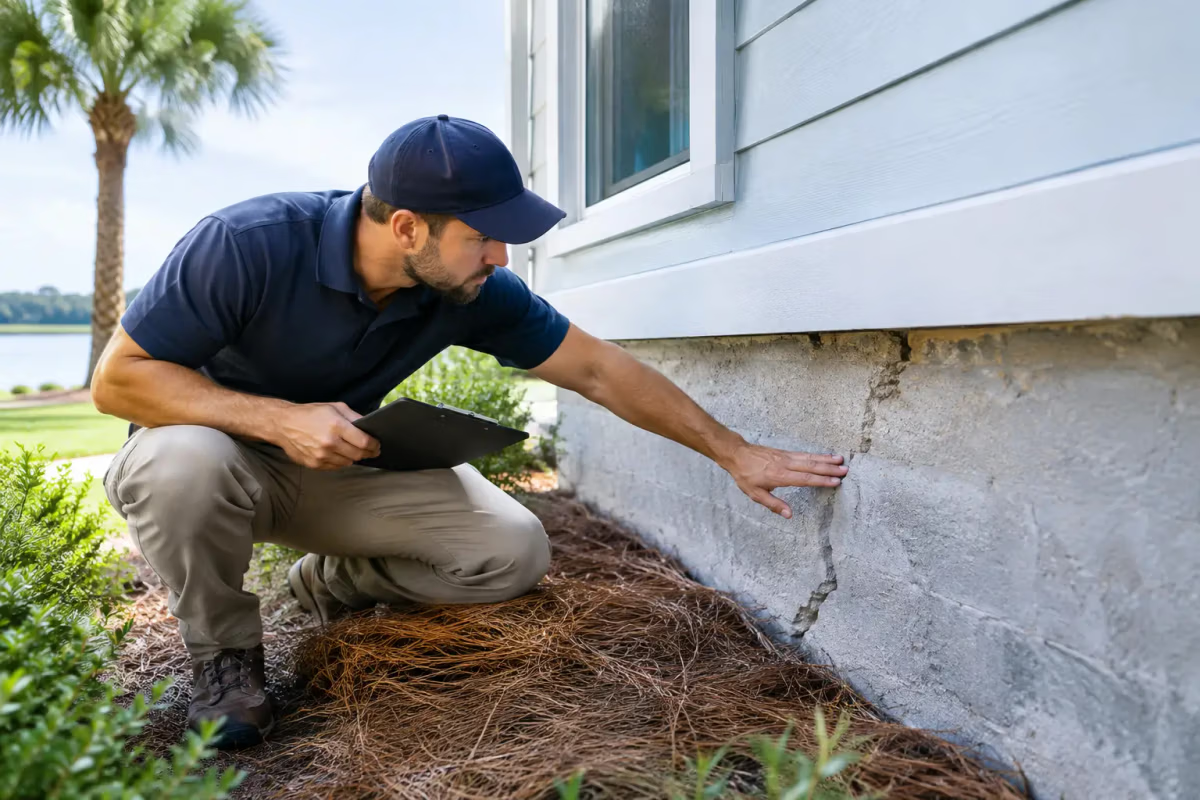
A freshly built home can look flawless at the final walkthrough: clean floors, new appliances, bright paint, and no evidence of previous wear. That is exactly why a new construction inspection Jacksonville buyers schedule before closing can be so valuable. The concerns are often hidden behind walls, above ceilings, inside electrical panels, or beneath a polished finish.
Builders, municipal inspectors, subcontractors, and buyers all play different roles in a new-home transaction. A city or county inspection confirms required stages of construction meet applicable code requirements. An independent home inspection is performed for you. Its purpose is to give you a clear, documented view of accessible conditions, safety concerns, incomplete work, and items that may need builder attention before your closing or warranty deadlines.
A New Home Is Not Automatically a Finished Home
New construction involves many separate crews working on a tight schedule. Framing, roofing, plumbing, electrical, HVAC, insulation, drywall, flooring, cabinetry, and exterior finishes may be completed by different subcontractors. Most work is completed properly, but coordination gaps and rushed finishing work can happen on any project.
An independent inspection does not assume the home has a problem. It verifies the work that is visible and accessible on the day of the appointment. A detailed inspection may identify issues such as an improperly installed drainage component, missing insulation, a loose plumbing fixture, reversed polarity at an outlet, a damaged roof shingle, incomplete caulking, or an HVAC system that is not operating as expected.
Some findings are minor and straightforward to correct. Others can affect moisture control, electrical safety, comfort, or the long-term durability of the home. Finding them before closing gives you the strongest practical opportunity to request repairs while the builder still has active control of the project.
Why Jacksonville Conditions Raise the Stakes
Northeast Florida homes must handle heat, humidity, heavy seasonal rain, wind, and, in some locations, salt-laden coastal air. Details that manage water are especially important. Roof penetrations, flashing, exterior sealants, window installation, drainage patterns, soffits, and HVAC condensate systems all deserve careful attention.
Jacksonville is also a broad market. A newly built home near the coast may face different exposure concerns than a home in Saint Johns, Clay County, or western Duval County. Lot grading, nearby drainage, soil conditions, and neighborhood construction patterns can vary considerably. A locally experienced inspector understands why water management and building-envelope details are more than cosmetic items in this region.
The goal is not to create unnecessary alarm over every small imperfection. It is to distinguish ordinary punch-list items from conditions that should be corrected, evaluated further, or monitored. That gives buyers useful information instead of a vague sense that everything is either perfect or defective.
The Best Times to Schedule a New Construction Inspection
The best inspection timing depends on the stage of your build and the builder’s access policies. Many buyers benefit most from inspections at more than one point in the process.
Pre-Drywall Inspection
A pre-drywall inspection takes place after major framing, plumbing, electrical, and mechanical rough-ins are in place but before insulation and drywall conceal them. This is often the clearest opportunity to review visible framing members, roof structure where accessible, wiring routes, plumbing lines, and mechanical installations.
Not every builder allows an outside inspection at this phase, so ask early. If it is permitted, schedule it before insulation and drywall are installed. A correction that is simple while walls are open can be more disruptive after finishes are complete.
Final Inspection Before Closing
A final inspection is generally scheduled when construction is substantially complete and all utilities are on. The inspector can operate accessible systems and evaluate the home as a buyer will receive it. This includes major components such as the roof, exterior, structure, electrical system, plumbing, HVAC, interior rooms, doors, windows, built-in appliances, attic, and visible insulation.
Schedule this appointment early enough to review the report and present repair requests before your final walkthrough. A same-day report helps keep that process moving when closing dates are close.
Warranty Inspection
Many builders provide a one-year limited warranty period. An 11-month warranty inspection gives homeowners a final opportunity to document concerns before that period expires. By then, the home has experienced real rain events, hot weather, cooling cycles, normal use, and settling. Conditions that were not apparent at closing may become visible.
Keep your warranty paperwork, service requests, and repair records. The exact warranty terms matter, and an inspection report can help you communicate clearly with the builder about observed conditions.
What an Independent Inspector Looks For
A thorough new-construction inspection is not a cosmetic walkthrough alone. It evaluates readily accessible components and documents observed conditions with clear findings and photos. Depending on the home’s stage and accessibility, the inspection commonly reviews:
- Roofing materials, flashing, gutters, exterior cladding, windows, doors, and visible site drainage
- Foundation and structural components, framing where visible, attic conditions, insulation, and ventilation
- Main electrical equipment, accessible wiring, outlets, switches, safety devices, and installed fixtures
- Supply plumbing, drains, water-heating equipment, visible leaks, fixtures, and water flow
- Heating and cooling equipment, accessible ductwork, condensate drainage, and representative system operation
- Interior finishes, stairs and handrails, garage safety features, appliances, and other accessible installed components
An inspection is visual and non-invasive. It cannot predict every future failure or see through finished walls. It also does not replace a contractor, engineer, surveyor, code official, or builder warranty representative. Those limits are not a weakness – they clarify what the service is designed to do: identify visible concerns and provide an independent record for informed next steps.
Builder Walkthroughs and Municipal Inspections Serve Different Purposes
A builder’s final walkthrough is useful. It lets you learn operating procedures, locate shutoffs, discuss maintenance, and create a punch list. Still, the builder’s representative is not acting as your independent inspector. Their role is to present the completed home and coordinate the builder’s process.
Municipal inspections are also essential, but they occur at required construction stages and focus on code compliance within a public inspection process. They are not a personalized, comprehensive assessment for the buyer at final closing. A new construction inspection complements these steps by putting another trained set of eyes on the property for your benefit.
This distinction matters for out-of-state purchasers and military families relocating to Northeast Florida. If you cannot be present for every construction milestone, detailed photos, plain-language findings, and responsive communication can make it easier to understand the home’s condition before you commit to closing.
How to Use the Report Without Delaying Your Closing
A quality report should be actionable, not just a long inventory of observations. Review it promptly, then separate findings into practical categories: items requiring repair before closing, items that need additional evaluation, and minor finish corrections that belong on the builder’s punch list.
Share the report through the appropriate transaction channel, following your contract and builder communication process. Avoid assuming that every item requires a dramatic negotiation. In many cases, the right result is a documented repair, a written commitment to correct an item, or confirmation that a qualified trade professional has evaluated a concern.
Take photos during your own final walkthrough after repairs are completed. Test accessible lights, outlets, doors, windows, faucets, appliances, garage doors, and HVAC operation when conditions allow. Ask for manuals, warranty contacts, paint colors, appliance information, and a clear explanation of maintenance responsibilities. Small records gathered now can save time after move-in.
Add Specialized Testing When It Fits the Property
A general new-construction inspection may be the central service, but some homes and buyer concerns call for additional testing. Water-quality sampling can be worthwhile for private wells. Radon testing may be appropriate based on your risk tolerance and property location. Mold or indoor air quality services can help address specific health concerns or moisture questions, though a brand-new home does not automatically need every available test.
The practical approach is to choose services based on the property, your family, and the information you need to make a confident decision. A one stop shop can reduce scheduling pressure when multiple inspection needs genuinely apply.
House Authority Inspection Service brings more than 24 years of inspection experience to Northeast Florida buyers, with licensed and certified inspectors, advanced assessment tools, visual documentation, and same-day reporting. For buyers balancing a closing calendar, a long-distance move, or military relocation, that combination supports timely decisions without sacrificing clarity.
Your new home deserves the same careful review as any major investment. Schedule the inspection early, keep the report with your warranty records, and give yourself the information needed to start homeownership with fewer unanswered questions.