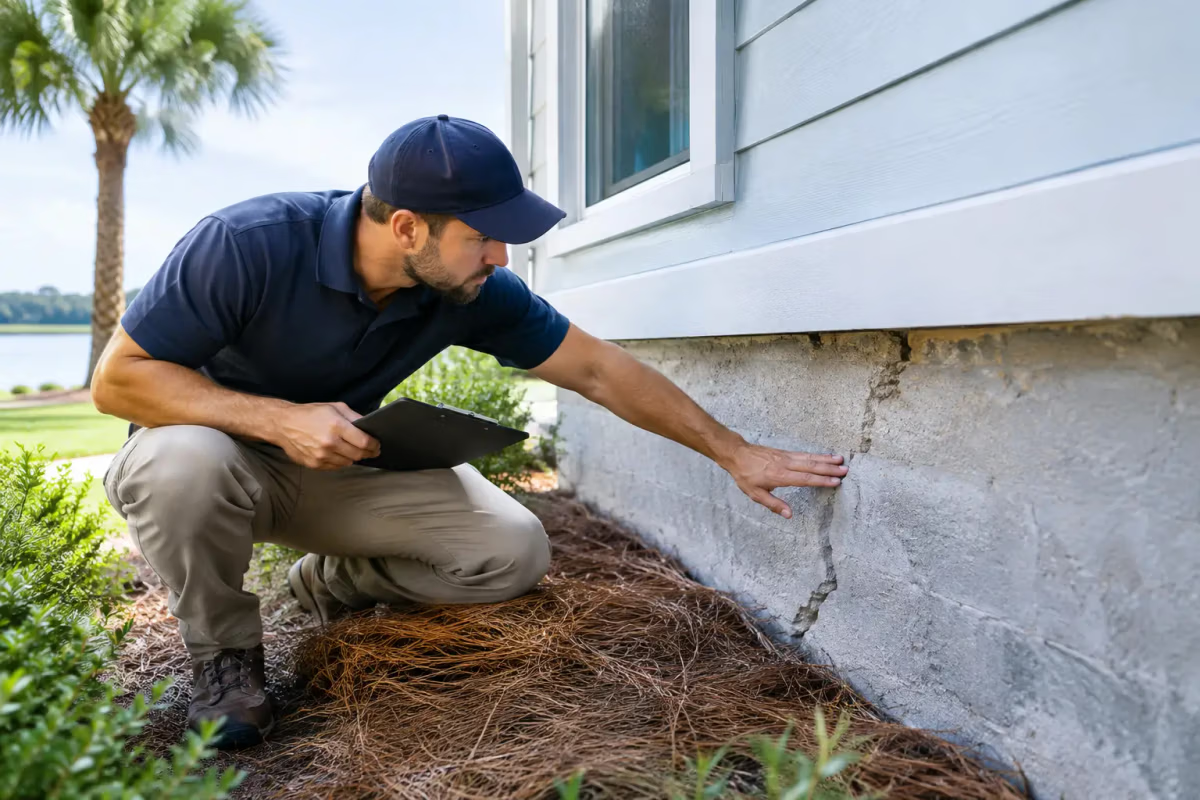
A Florida insurance inspection guide is most useful before an insurer asks for paperwork, not after a policy deadline arrives. In Northeast Florida, homeowners are often asked to provide a 4-point inspection, wind mitigation verification, or roof condition documentation when buying a home, changing carriers, renewing coverage, or seeking certain policy options. Knowing which report serves which purpose can prevent last-minute surprises and help you protect both your home and your insurance eligibility.
Why Florida Insurers Request Property Inspections
Florida homes face conditions that insurers evaluate closely: hurricane-force winds, wind-driven rain, high humidity, aging roofs, plumbing leaks, electrical hazards, and older heating systems. An insurance inspection gives the carrier a current, property-specific view of the home’s major systems and protective features.
The inspection report is not a home warranty, a guarantee of coverage, or a promise that a carrier will offer a particular premium. Underwriting decisions remain with the insurance company. Still, a clear report from a qualified inspector can give the carrier the information it needs to issue, renew, or accurately rate a policy.
For homeowners in Jacksonville, St. Augustine, Saint Johns, and surrounding Northeast Florida communities, timing matters. A buyer may need reports during the insurance-shopping period before closing. An existing homeowner may need updated documentation after a notice from a carrier. Scheduling early leaves room to address a repair if the inspection identifies a concern.
The Main Florida Insurance Inspection Reports
4-Point Inspection
A 4-point inspection focuses on four major systems: the roof, electrical system, plumbing system, and HVAC system. It is commonly requested for older homes, although each insurance company sets its own rules regarding property age, system age, and documentation requirements.
The inspector records visible conditions and available information about these four areas. On the roof, the report may address the covering type, apparent condition, visible leaks, and estimated age when documentation is available. Electrical observations can include the panel, wiring type, visible hazards, and the presence of unsafe or outdated components. Plumbing observations typically address supply lines, drain lines, water heaters, and active leaks. HVAC reporting looks at the system type, general visible condition, and apparent operation.
A 4-point inspection is narrower than a full home inspection. It is designed for insurance underwriting, so it may not cover every appliance, cosmetic condition, or maintenance item in the house. For a purchase, many buyers benefit from completing both a comprehensive home inspection and the required insurance reports in one coordinated appointment.
Wind Mitigation Inspection
A wind mitigation inspection documents construction features that may help a home resist wind damage. Depending on the home, these can include the roof shape, roof-deck attachment, roof-to-wall connections, secondary water resistance, opening protection, and the age or code compliance of the structure.
The potential value is significant, but it depends on the verified features and the insurer’s current rating guidelines. A wind mitigation report does not create discounts by itself. It supplies the documentation your carrier may use to determine whether credits apply.
Many homeowners assume hurricane shutters are the only feature that matters. In reality, roof geometry and the way the roof is attached to the walls can also affect the report. Documentation is crucial. Building permits, product approvals, prior reports, and photos can sometimes help verify features that are not readily visible during the inspection.
Roof Condition Certification or Roof Inspection
Some insurers request a roof certification, roof inspection, or roof condition report to assess remaining useful life and visible condition. The exact form and requested language vary by carrier. A newer roof is not automatically exempt from this request, and an older roof is not automatically uninsurable. The insurer will consider its own underwriting requirements along with the report.
A roof inspection generally addresses the type of roof covering, visible wear, apparent repairs, signs of damage or leakage, and the condition of accessible roof components. It should be performed with care because Florida roofs are exposed to intense sun, heavy rain, salt air in coastal areas, and tropical weather.
Florida Insurance Inspection Guide: When to Schedule
The best time to schedule depends on why you need coverage. Homebuyers should ask their insurance agent what reports may be needed as soon as they are under contract. Waiting until the final days before closing can limit options, especially if a report identifies a repair that needs contractor documentation.
Current homeowners should schedule promptly after receiving a carrier request or nonrenewal notice. If you are shopping for a new policy, obtaining updated reports before submitting applications can also make the process more efficient.
For a home with multiple needs, a one-stop appointment can reduce repeat visits and missed details. House Authority Inspection Service can coordinate general home, 4-point, wind mitigation, roof, WDO, mold, water-quality, radon, pool, and other applicable inspections in a single visit when the property and requested services call for them. This approach is especially helpful for buyers, out-of-state clients, and military families working within a tight relocation timeline.
How to Prepare for the Inspection
Preparation does not mean hiding problems. It means making the property accessible so the inspector can document conditions accurately. Ensure access to the electrical panel, HVAC equipment, water heater, attic entry, garage, and exterior of the home. If the home is occupied, move stored items away from these areas where possible.
Gather useful records before the appointment. Roof permits, replacement invoices, HVAC service records, plumbing updates, electrical permits, prior wind mitigation reports, and receipts for impact-rated openings may support the report. Do not assume a receipt will always satisfy a carrier, but it can help the inspector and insurance agent understand the property’s history.
If shutters, impact windows, or other opening protection are part of the home’s wind-resistance features, make sure they can be identified. Store removable panels where they are accessible, and retain labels or approvals when available.
What Happens if the Report Identifies a Concern?
A finding does not always mean coverage will be denied. It may mean the insurer wants more information, a repair, a licensed contractor’s evaluation, or a new report after corrections are made. The right next step depends on the condition, the carrier’s request, and the type of system involved.
For example, a small plumbing leak may be a straightforward repair followed by documentation. An electrical panel with a known safety concern may require evaluation and correction by a licensed electrician. A roof with visible deterioration may need repair or replacement before a carrier will proceed. Your inspector can explain what was observed, but repairs should be completed by the appropriate qualified contractor.
Avoid treating an insurance inspection as a pass-or-fail test. Its purpose is to provide real results about the property at the time of the inspection. Clear photos, accurate observations, and prompt reporting give you a practical foundation for conversations with your insurance agent, contractor, seller, or real-estate professional.
Choosing the Right Inspector for Insurance Documentation
Insurance reports need to be accurate, legible, and completed on the correct form for the assignment. Choose an inspection provider with Florida insurance inspection experience, appropriate licensing and certifications, and a process for documenting visible conditions with detailed photographs.
Speed also matters, but speed should not replace thoroughness. Same-day report turnaround can help keep a transaction moving when it is supported by careful fieldwork and responsive coordination. If you are purchasing a property, consider whether the inspector can also provide a full home inspection and related specialty services. One coordinated inspection can give you a broader picture of the home while reducing scheduling burden.
Before your next insurance deadline, get the facts your carrier needs and the practical information your household deserves. A well-timed inspection can turn an uncertain underwriting request into a clear plan for protecting your home, your budget, and your peace of mind.