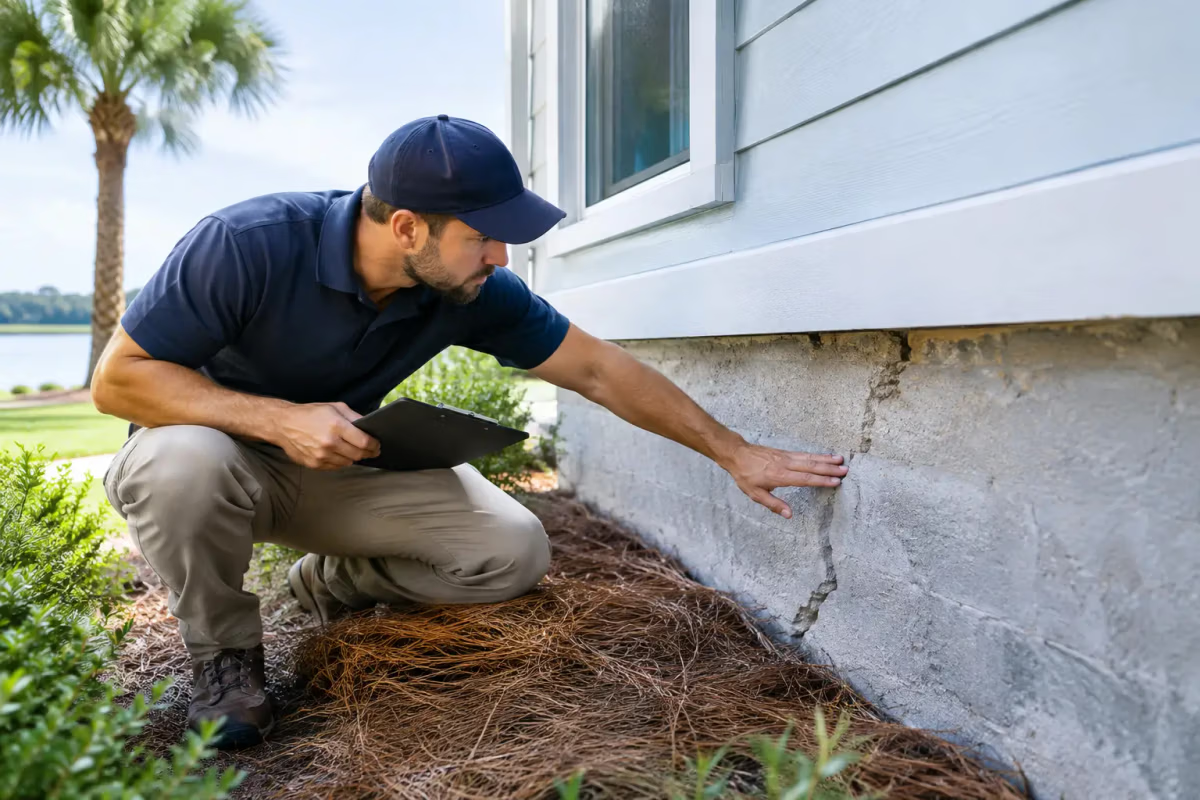
An insurance application can stall over details that may not be obvious during a walkthrough: an aging electrical panel, a water heater past its expected service life, or a roof nearing the end of its useful life. If you are asking what does a 4 point inspection include, the short answer is an insurance-focused review of the four systems most likely to create a major claim: the roof, electrical, plumbing, and HVAC.
For Northeast Florida homeowners, buyers, and sellers, this inspection is often requested when obtaining a new policy, changing carriers, or insuring an older home. It is not designed to replace a full home inspection. It gives the insurance company a current, documented picture of key systems that affect underwriting decisions, safety, and the likelihood of water, fire, or weather-related losses.
What Does a 4 Point Inspection Include?
A 4-point inspection evaluates the visible condition, age, and apparent function of four major home systems. The inspector documents findings on the carrier’s required form, supported by clear photographs. Requirements vary among insurance companies, so an insurer may ask for additional information or have its own form, but the four core areas remain the same.
1. Roof covering and visible roof condition
The roof section typically identifies the roof-covering material, such as architectural shingles, metal, tile, modified bitumen, or another system. The report generally notes the roof’s age, its apparent overall condition, and whether there are visible signs of damage, deterioration, or active leaks.
An inspector may document missing, cracked, curled, loose, or deteriorated shingles; exposed fasteners; worn sealant around penetrations; damaged flashing; ponding water on low-slope roofs; and visible evidence of leakage from accessible interior areas. The inspection is visual and noninvasive. It does not guarantee that a roof will remain leak-free or predict exactly how many years of service life remain.
Roof age often carries significant weight in Florida insurance decisions. Even a roof that appears serviceable can trigger questions if it is near the age limit set by a particular carrier. If the roof has been replaced, having permits, invoices, or proof of installation available can help provide a more complete picture.
2. Electrical system
The electrical portion addresses the home’s service equipment and visible distribution components. This usually includes the main electrical panel, subpanels if present, the service amperage, branch wiring where visible, and the condition of breakers, wiring, and panel components.
The inspector looks for practical underwriting and safety concerns, including corrosion, overheating or scorching, double-tapped breakers, open panel knockouts, improper wiring methods, missing covers, and recalled or problematic panel brands. Older systems may receive additional attention when their components are no longer considered acceptable by some insurers.
A 4-point inspection is not a full electrical code inspection. Homes built decades ago were constructed under different standards, and not every older feature is automatically a defect. However, conditions that create a clear fire or shock risk, or that an insurer may decline, should be identified. If repairs are needed, a licensed electrician may need to complete the work and provide supporting documentation before coverage can move forward.
3. Plumbing supply, drain, and water-heating systems
Plumbing claims can be expensive, especially when a hidden leak damages flooring, cabinets, drywall, or adjacent rooms. During the plumbing review, the inspector identifies the visible supply-pipe material, drain and waste piping where accessible, water heater details, and signs of leakage or deterioration.
Common items documented include copper, CPVC, PEX, galvanized steel, polybutylene, or cast-iron piping. Some older materials may concern insurers because of known failure patterns, but the carrier – not the inspector – decides whether a specific material is acceptable for coverage.
The water heater is also an important part of the report. The inspection may note its age, fuel source, visible condition, temperature-pressure relief valve discharge piping, and signs of leaks or corrosion. Exposed active leaks, damaged piping, unsecured water heaters, or unsafe discharge configurations can require correction. Because much of a home’s plumbing is concealed behind walls, beneath slabs, or in ceilings, a 4-point inspection cannot verify the condition of every pipe.
4. Heating, ventilation, and air conditioning
In Jacksonville, St. Augustine, and surrounding Northeast Florida communities, air conditioning is more than a comfort feature. A failed cooling system can quickly affect indoor conditions, and neglected equipment may create water-damage concerns through clogged drains or leaking components.
The HVAC section records the type of system, approximate age, visible condition, and whether the equipment was operating normally at the time of inspection. The inspector may observe the air handler, condenser, heat source, duct connections where accessible, electrical disconnects, condensate drainage, and visible signs of damage, rust, or leakage.
This is not the same as a full HVAC performance evaluation by a licensed air-conditioning contractor. An inspector does not dismantle equipment, test every internal component, or certify future performance. If the system is not cooling or heating properly, is at the end of its expected service life, or shows safety concerns, an insurer may request repair, replacement, or a separate contractor evaluation.
What a 4-Point Inspection Does Not Cover
A 4-point report is narrow by design. It does not provide the broader protection of a general home inspection, which can evaluate structure, attic conditions, insulation, doors, windows, appliances, interior spaces, exterior features, and many other accessible components.
It also does not replace a wind mitigation inspection. Wind mitigation documentation focuses on features that may reduce wind damage, such as roof-to-wall connections, roof-deck attachment, opening protection, and certain roof geometry details. Florida homeowners often benefit from completing both inspections during one appointment, because one report helps establish insurability while the other may help identify eligibility for premium discounts.
Similarly, a 4-point inspection is not a mold inspection, WDO inspection, roof certification, pool inspection, or water-quality test. Each addresses a different risk. Combining the services when appropriate can save time and provide a clearer view of a property’s condition before a purchase, renewal, or policy change.
When Should You Schedule One?
The best time to schedule a 4-point inspection is when your insurance agent or carrier requests it. Do not wait until a closing deadline or renewal cutoff if you can avoid it. If the report identifies a repair, you may need time to obtain estimates, schedule a qualified contractor, complete the work, and submit updated documentation.
Buyers of older homes can also schedule the inspection during the due-diligence period. Knowing that a home may face insurance questions before closing can prevent an unpleasant surprise after negotiations are complete. Sellers may use it to identify repair items before listing, particularly when the home’s roof, electrical system, plumbing, or HVAC equipment is older.
Out-of-state buyers and military families relocating to Northeast Florida often benefit from detailed photos and prompt reporting. They may not be available to revisit the property before a policy decision is required. A clear, current report gives them and their insurance professionals practical information to act on.
How to Prepare for a Smooth Inspection
The home should have active utilities whenever possible. The inspector needs safe access to the electrical panel, water heater, HVAC equipment, and accessible plumbing areas. Clear away storage or landscaping that blocks these components, and provide roof permits, replacement invoices, or prior repair documentation if you have them.
If your insurer supplied a specific form or listed additional requirements, share that information before the appointment. Carriers do not all evaluate risk the same way. A report that meets one company’s documentation needs may need a small adjustment for another.
House Authority Inspection Service provides insurance-focused 4-point inspections with clear visual documentation and same-day report turnaround when conditions allow. For homeowners who also need wind mitigation, roof certification, or a full home inspection, completing services in one coordinated appointment can reduce delays and keep the insurance process moving.
A 4-point inspection is most useful when it gives you time to respond, not when it becomes a last-minute obstacle. Schedule early, keep repair records, and use the findings to make informed decisions that protect your home, your coverage, and the people who live there.