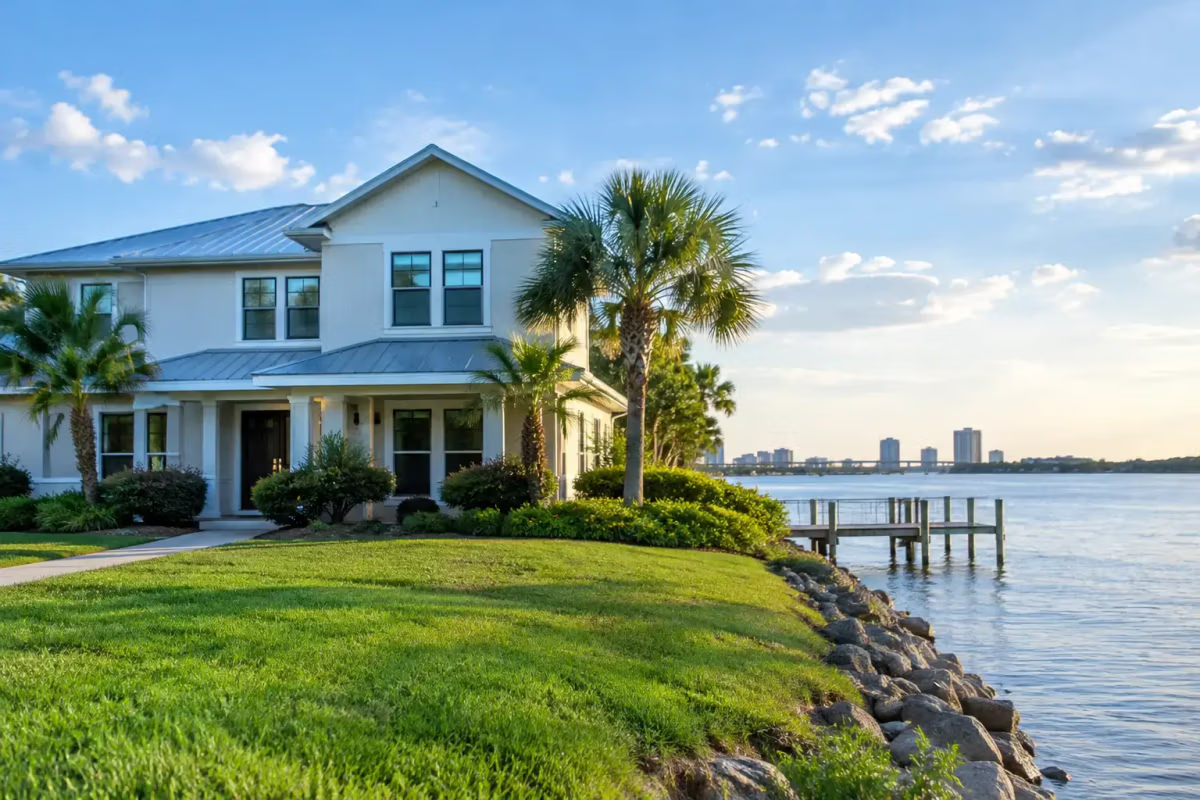
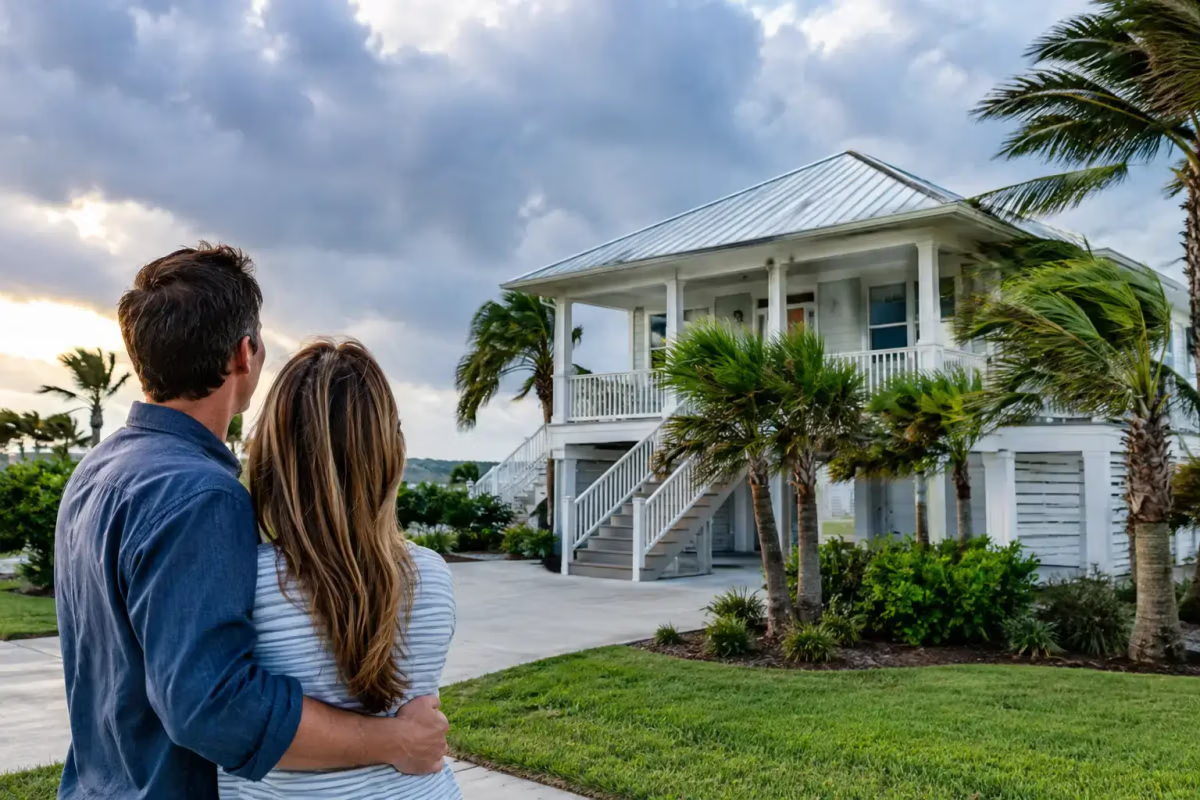
A home can look move-in ready and still create an insurance problem. In Northeast Florida, insurance eligibility often comes down to a handful of property conditions that insurers view as potential sources of major claims: an aging roof, outdated electrical components, deteriorated plumbing, or insufficient wind-resistance features. A clear inspection gives buyers and homeowners the information needed to address those concerns before a policy application, renewal, closing date, or storm season creates added pressure.
For a Jacksonville, St. Augustine, or surrounding-area property, the right report is not simply paperwork. It is evidence of the home’s current condition, documented by a qualified inspector and prepared to help support an insurance conversation.
What Insurance Eligibility Means for Florida Homeowners
Insurance eligibility is the insurer’s decision about whether a home meets its underwriting standards for coverage. Each carrier sets its own rules, rates, and acceptable risk levels. An inspection company cannot guarantee that a carrier will write or renew a policy, but an accurate inspection report can identify issues that may affect the decision and document features that may qualify for credits.
Florida insurers frequently look closely at the age and condition of major systems because heat, humidity, heavy rain, salt air near the coast, and hurricane exposure place added demands on homes. A property that has performed well for years may still need updated documentation when the policy renews or when a new owner applies for coverage.
The practical question is not only, “Can I get insurance?” It is also, “What will the carrier need to see, what conditions could delay approval, and what repairs should I plan before I am against a closing or renewal deadline?”
The Inspections That Commonly Affect Insurance Eligibility
A standard home inspection provides a broad view of visible and accessible conditions, but insurance carriers often request specialized reports. Completing these services in one coordinated appointment can reduce delays and give you a more complete picture of the property.
The 4-Point Inspection
A 4-point inspection focuses on four systems that matter heavily to insurance underwriting: the roof, electrical system, plumbing system, and HVAC system. It is commonly requested for older homes, although carrier requirements vary.
The report documents the age, material, apparent condition, and visible deficiencies of these systems. Insurers may be concerned about active leaks, unsafe electrical panels, cloth wiring, older plumbing materials, damaged roof coverings, or equipment that is no longer functioning as intended. The report is factual, not a pass-or-fail grade. Still, its findings may lead a carrier to request repairs, additional documentation, or a different coverage option.
For buyers, a 4-point inspection before closing can prevent an unwelcome surprise after the purchase. For current homeowners, it can reveal a condition worth correcting before a renewal notice arrives.
Wind-Mitigation Verification
Wind mitigation inspections identify construction features that may reduce wind damage during severe weather. In Florida, those features can matter to both insurance eligibility and premium savings, depending on the carrier and policy.
The inspector verifies items such as the roof deck attachment, roof-to-wall connections, opening protection, roof shape, and secondary water resistance when visible documentation supports it. A newer roof alone does not automatically produce every available credit. The construction details must be verified under the applicable inspection form.
This is especially valuable in Duval, St. Johns, Nassau, Flagler, and coastal-adjacent counties, where homeowners understand that wind exposure is not an abstract concern. A properly completed wind-mitigation report helps ensure the insurer receives accurate information about the home’s protective features.
Roof Certification or Roof-Condition Documentation
The roof is often the first system an insurer evaluates. Carriers may establish their own roof-age guidelines, ask for photos, request a roof certification, or require evidence that repairs have been completed. Those requirements can change by carrier, roof material, location, and the broader insurance market.
A roof inspection documents visible conditions such as missing or damaged shingles, deteriorated flashing, exposed fasteners, ponding concerns on low-slope areas, and signs of leakage. It may also provide a professional opinion on the roof’s observed condition and remaining serviceability, when that service is requested. It is not a promise that the roof will never leak, but it gives homeowners and insurers useful evidence grounded in the property’s present condition.
WDO Inspections
A wood-destroying organism inspection addresses visible evidence of termites, wood-decay fungi, powderpost beetles, and related damage or conditions. While WDO reports are often associated with real-estate transactions and certain loan programs, they can also matter when property damage or moisture conditions raise concerns.
In Florida’s humid climate, moisture management is closely connected to wood deterioration. A small leak beneath a sink, inadequate drainage, or poorly ventilated area can create conditions that deserve attention before they become a more expensive repair.
Conditions That Can Create Delays or Higher Costs
Not every issue makes a home uninsurable. The outcome depends on the carrier, the condition’s severity, the age of the home, and whether repairs are completed and documented. However, several conditions routinely deserve early attention.
An aging roof with visible wear can prompt further questions, particularly if it approaches or exceeds a carrier’s preferred age range. Electrical concerns may include certain older panel brands, double-tapped breakers, exposed wiring, open junction boxes, or evidence of overheating. Plumbing concerns can involve active leaks, corroded supply lines, outdated materials, or drain issues. HVAC concerns may arise when equipment is nonfunctional, improperly installed, or creating a safety hazard.
Water intrusion deserves special attention. A stain on a ceiling does not always mean an active roof leak, but it should be evaluated. Likewise, visible microbial growth, elevated moisture, or musty indoor air may point to a source that needs correction. Mold testing and indoor air quality services can help homeowners understand potential environmental concerns, but the first priority is finding and addressing the moisture source.
The best time to learn about these conditions is before they become a negotiation problem, an insurance deadline, or a claim dispute.
How to Prepare for an Insurance Inspection
Preparation does not mean hiding defects. It means making the home accessible so the inspection can be completed efficiently and the report can accurately reflect what is present.
Homeowners should provide clear access to the electrical panel, water heater, HVAC equipment, attic access, garage, and exterior areas around the home. If roof permits, invoices, prior inspection reports, repair receipts, or manufacturer documents are available, keep them ready. These records may help verify installation dates or construction features when visual observation alone is not enough.
If you know a repair has been completed, retain the paid invoice and any permit closeout documentation. A carrier may ask for proof, and a clear paper trail is more useful than a verbal explanation. Sellers can also benefit from addressing obvious issues before listing, since an insurance-related obstacle can complicate an otherwise solid transaction.
For out-of-state buyers and military households relocating to Northeast Florida, detailed photos and a same-day report are particularly valuable. You may not be able to revisit the property easily before your inspection period ends. Complete documentation allows you to discuss findings with your agent, seller, contractor, or insurance representative with fewer assumptions.
Why One Appointment Can Make a Real Difference
Scheduling a general home inspection, 4-point inspection, wind-mitigation verification, roof documentation, WDO inspection, and environmental testing separately can create avoidable delays. It also increases the chance that one report identifies a concern after another inspection has already been completed.
House Authority Inspection Service provides a one stop shop approach for Northeast Florida property owners who need coordinated inspection services and clear, actionable reporting. With more than 24 years of experience, the focus is on real results: identifying visible conditions, documenting relevant details, and helping clients move forward with dependable information.
That convenience does not replace independent insurance advice. Your insurance agent or carrier remains the final source for coverage requirements, underwriting decisions, and available credits. But a thorough inspection gives you a stronger starting point for that conversation.
A house should not become an insurance surprise after the keys are in your hand. If you are buying, renewing, selling, or preparing for storm season, schedule the needed inspection services early enough to review the findings, gather documents, and make practical repairs without rushing the decision.