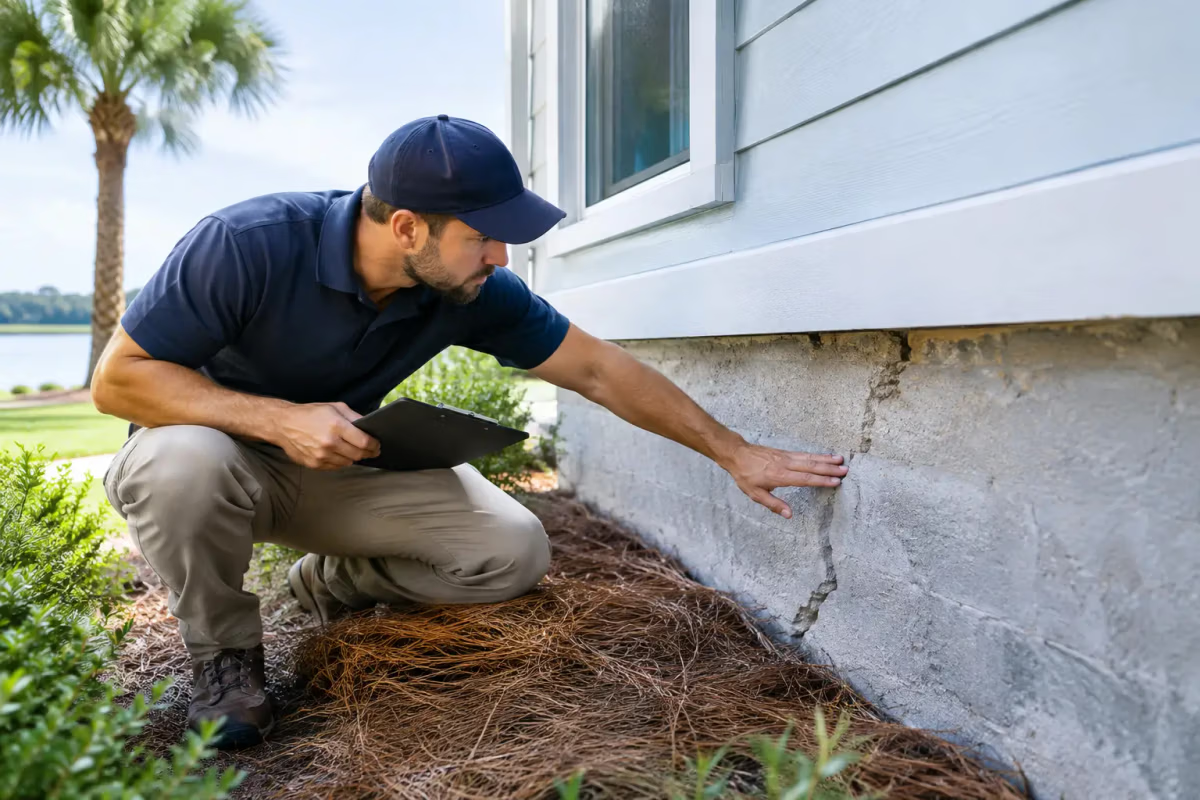
A Northeast Florida home can look move-in ready at a showing and still have a roof near the end of its service life, an aging electrical panel, moisture conditions, or a pool system that needs attention. That is why the question of general inspection versus appraisal matters before you remove contingencies, finalize financing, or plan your first year of ownership. These services may happen during the same transaction, but they answer very different questions.
A general home inspection helps you understand the property’s visible condition and potential risks. An appraisal helps a lender determine whether the home’s estimated market value supports the loan amount. One protects your decision-making as a buyer; the other primarily supports the lender’s lending decision. In most purchases, both have a role.
General Inspection Versus Appraisal: The Core Difference
A general home inspection is a detailed visual assessment of a property’s accessible systems and components. The inspector is looking for material defects, safety concerns, signs of deferred maintenance, and conditions that may lead to costly repairs. The final report gives the buyer a clearer picture of what they are purchasing.
An appraisal is an opinion of value prepared by a licensed appraiser. The appraiser considers the home’s location, size, features, condition, and recent comparable sales. The lender uses that report to confirm that the home provides adequate collateral for the mortgage.
Put simply, an inspection asks, “What condition is this home in?” An appraisal asks, “What is this home likely worth in the current market?” A home can appraise at or above the contract price while still needing significant repairs. It can also be in very good condition but appraise below the agreed purchase price if nearby sales do not support the price.
What a General Home Inspection Looks For
A comprehensive home inspection is designed to give buyers practical, documented information. It typically includes the visible and accessible portions of the roof, exterior, structure, foundation, electrical system, plumbing, HVAC equipment, interior, attic, insulation, doors, windows, and built-in appliances.
The inspector is not assigning a market value or guaranteeing future performance. Instead, the report identifies observed conditions and explains why they matter. A cracked roof boot, an active plumbing leak below a sink, missing GFCI protection, evidence of moisture intrusion, or an improperly installed water heater may all affect safety, repair planning, or negotiations.
In Northeast Florida, climate and local building conditions make a thorough inspection especially valuable. High humidity, wind exposure, heavy rain, coastal air, and long cooling seasons can affect roofs, air-conditioning systems, drainage, windows, exterior components, and indoor air quality. A general inspection can also point to conditions that warrant further evaluation by a qualified contractor or specialist.
For many buyers, the greatest value is not a perfect house. It is knowing what is present before closing, having photos and clear findings, and being able to make decisions with realistic repair expectations.
A General Inspection Is Not Limited to the Basic Scope
A standard inspection is often the starting point, not the whole picture. Depending on the home, buyers may also benefit from mold testing, indoor air quality testing, radon testing, water-quality sampling, pool and spa inspections, WDO inspections, or new-construction inspections.
These services address concerns that a general visual inspection cannot fully confirm. For example, an inspector may observe staining or elevated moisture and recommend mold testing. A visible pool inspection can identify accessible equipment and safety concerns, but specialized evaluation may be appropriate when equipment operation or repairs raise questions.
Insurance-related reports are separate as well. A 4-point inspection, wind-mitigation verification, roof certification, and WDO documentation each serve specific underwriting, eligibility, or maintenance purposes. They should not be assumed to be included in a general home inspection or an appraisal.
What an Appraisal Reviews
The appraiser evaluates the property through a valuation lens. The report generally documents the home’s features, square footage, lot characteristics, overall condition, and comparable sales. The appraiser may note obvious damage, needed repairs, or safety concerns if they affect value or loan requirements.
That does not make an appraisal a substitute for an inspection. Appraisers do not conduct the same system-by-system review, operate every appliance, test every outlet, inspect crawlspaces and attics to the same depth, or assess environmental concerns as part of a standard appraisal assignment.
Some loan programs have property condition requirements. FHA and VA appraisals, for example, may identify conditions that must be addressed before loan approval. Buyers should still order their own inspection. A lender-required repair list is not a complete condition report, and a property that meets a loan program’s minimum standards may still have significant maintenance needs.
Who Does Each Service Serve?
The buyer usually hires and pays for the home inspection. The inspection report is prepared for the client and is intended to support informed decisions during the due-diligence period. Buyers can use its findings to request repairs, seek a credit, renegotiate when appropriate, budget for future work, or decide not to proceed under the terms of their contract.
The lender orders the appraisal, although the borrower commonly pays the fee as part of the loan process. The appraiser must be independent and cannot simply value the home at the contract price because the buyer, seller, or lender wants that result.
This difference in purpose explains a common source of confusion. A buyer may receive an appraisal that says the home is worth the purchase price and assume the house has “passed.” Value support is not a clean bill of health. Likewise, a detailed inspection with several repair items does not automatically mean the property will appraise low.
When an Inspection Matters Most
Every buyer benefits from condition information, but a general inspection becomes particularly valuable when the property is older, has been vacant, shows signs of deferred upkeep, includes a pool or spa, uses well water or a septic system, or has undergone recent renovations. New construction also deserves an independent inspection. Municipal code inspections and builder walkthroughs have different purposes and may not catch every visible issue before closing.
Out-of-state buyers and military families relocating to Jacksonville, Saint Johns, St. Augustine, or surrounding communities often need especially clear reporting. They may not be able to attend every appointment in person. Detailed photos, understandable explanations, and prompt report delivery help them make decisions from a distance without guessing about a home’s condition.
Sellers can benefit, too. A pre-listing inspection may reveal issues before the home goes under contract, allowing the seller to address repairs or disclose conditions with greater confidence. It does not eliminate a buyer’s inspection, but it can reduce surprises late in the transaction.
Timing Both Services in a Purchase
The home inspection should usually be scheduled as soon as the contract permits. That gives buyers time to review findings, ask questions, obtain repair estimates when needed, and act before the inspection contingency deadline. Waiting until the appraisal arrives can create unnecessary pressure because the appraisal is not designed to uncover the information an inspection provides.
The lender controls appraisal timing in many transactions. It may be ordered after the loan application and can take place before or after the inspection. If the appraisal comes in low, the buyer and seller may need to renegotiate the price, increase the down payment, challenge the appraisal with relevant comparable information, or end the contract if the agreement allows.
If the inspection reveals repairs, discuss them with your real-estate professional before assuming the appraiser will require them. Some repairs are urgent safety or functional issues, while others are maintenance items that may not affect lending. The contract, financing type, repair cost, and local market conditions all influence the best response.
Questions Buyers Should Ask Before Closing
Buyers should understand what each report can and cannot tell them. Ask the inspector which findings require immediate attention, which items should be monitored, and where specialty testing may be useful. Ask your lender what happens if the appraisal is below the contract price and whether any reported conditions could affect loan approval.
It is also wise to separate major concerns from normal homeownership tasks. No house is maintenance-free, even a newer one. The goal is not to create a repair list so long that buying feels impossible. The goal is to identify meaningful risks, understand likely costs, and proceed with clear expectations.
For a one-stop inspection appointment, House Authority Inspection Service can coordinate general home inspections with specialized testing and insurance-focused reports when the property and transaction call for them. With more than 24 years of experience serving Northeast Florida, the team provides actionable findings and same-day report turnaround to help buyers move forward with real results.
Before you commit to a home, make room for both kinds of information: an appraisal that supports the financing and an inspection that helps protect the people who will live there. A confident purchase starts with knowing the difference and asking for the right evaluation at the right time.