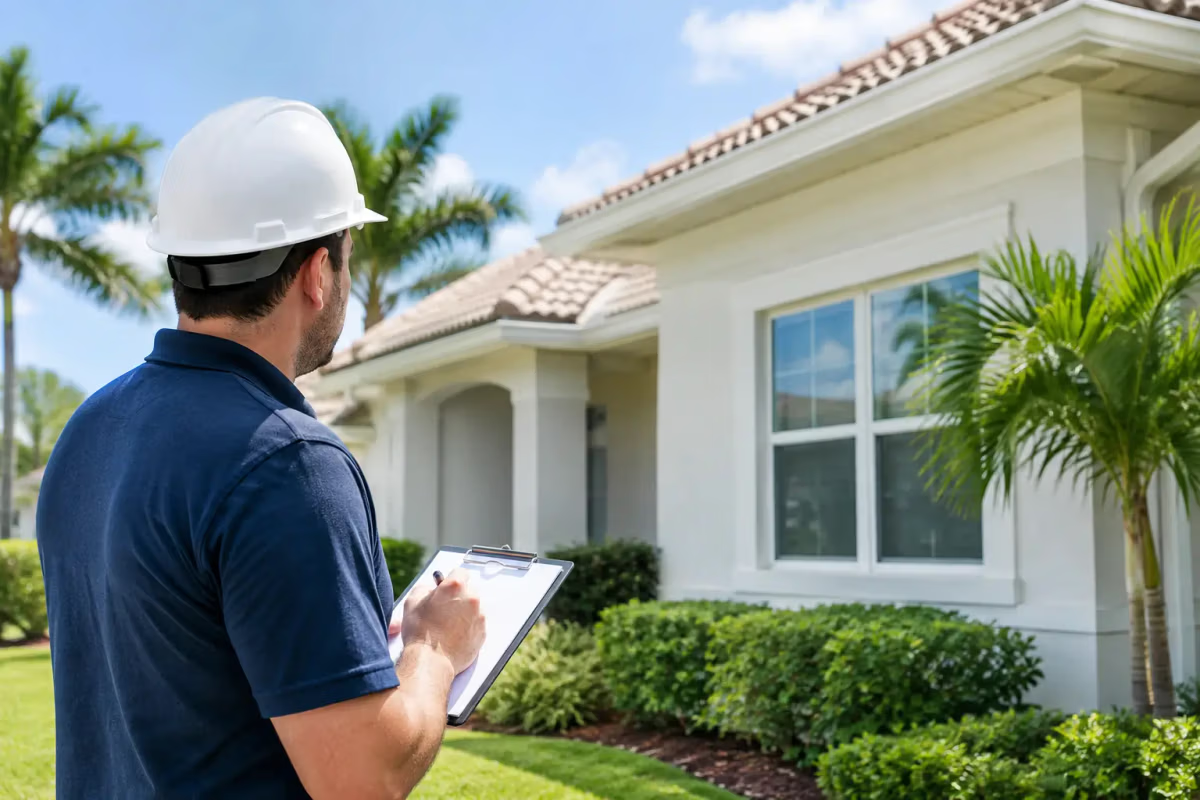
A home can look move-in ready during a 30-minute showing and still carry a failing roof, hidden moisture, unsafe electrical conditions, or insurance complications. Buyer property due diligence is the process of finding those issues while you still have time to make an informed decision. For buyers in Jacksonville, St. Augustine, and throughout Northeast Florida, it is one of the most practical protections available before closing.
The purpose is not to make every house look risky or to expect perfection from a resale property. It is to understand what you are buying, what needs attention now, and what may affect your budget, safety, insurance options, or negotiations later. A clear inspection report turns assumptions into real results.
What Buyer Property Due Diligence Should Accomplish
Due diligence should answer more than one question: “Does the house look good?” It should help you understand the condition of the major systems, identify visible safety concerns, and determine whether additional evaluation is warranted.
A comprehensive general home inspection typically evaluates accessible structural components, roofing, exterior features, electrical systems, plumbing, heating and cooling equipment, interior areas, insulation, ventilation, and built-in appliances. The inspector is not predicting every future repair, but is documenting observed conditions and explaining their practical significance.
That distinction matters. A home inspection is a visual, noninvasive assessment, not a warranty or code certification. A report may identify an aging water heater, a roof near the end of its useful service life, or an HVAC system with performance concerns. Those findings do not automatically mean you should walk away. They give you the information needed to request repairs, seek estimates, plan future maintenance, or reconsider the contract if the risk is greater than expected.
For an out-of-state buyer or a military family relocating on a tight timeline, detailed photos and plain-language findings are especially valuable. You may not be able to return for every question. A responsive inspector and a same-day report can help keep your decision moving without sacrificing the facts.
Northeast Florida Conditions Change the Inspection Conversation
Local conditions should shape buyer property due diligence. Northeast Florida homes face heat, humidity, heavy rain, hurricane exposure, termites and other wood-destroying organisms, and coastal or inland moisture conditions. A checklist copied from another region can miss what matters here.
Water intrusion and moisture deserve close attention
Moisture is one of the most consequential issues in Florida housing. It can enter through roof defects, aging sealants, exterior wall penetrations, plumbing leaks, poor grading, window failures, or air-conditioning drainage problems. Left unaddressed, moisture can damage materials and create conditions that support mold growth.
During an inspection, signs such as staining, elevated moisture readings, deteriorated finishes, musty odors, or microbial-looking growth may justify mold testing or further evaluation. Testing is not needed in every home, and no test can replace a careful visual inspection. However, when there is a known water event, visible concern, unexplained odor, or a household member with heightened sensitivity, it can provide useful information before closing.
Roof condition affects more than rain protection
Florida roofs must contend with intense sun, wind-driven rain, and tropical weather. Buyers should understand the roof covering’s apparent condition, visible defects, drainage performance, flashing details, and any evidence of prior leaks.
The age of a roof can also affect insurance availability and premiums. A roof certification may be useful when an insurer requests it, but it serves a different purpose than a general home inspection. Ask early what documentation your insurance carrier requires so the appropriate inspection can be scheduled during the due-diligence period.
Wind mitigation can affect insurance costs
A wind-mitigation inspection documents qualifying wind-resistant features, such as roof-to-wall connections, roof deck attachment, opening protection, and roof shape. It does not certify that a home is hurricane-proof. Its value is practical: qualifying features may support insurance discounts, depending on the carrier and policy.
Buyers should not assume a newer-looking home has every credit-worthy feature. Verification matters. Having this inspection completed before closing can help you understand the home’s insurance profile instead of discovering missing documentation after the purchase.
WDO concerns require a separate inspection
Wood-destroying organisms, including termites, can cause significant damage before their presence becomes obvious to a buyer. A WDO inspection looks for visible evidence of activity, damage, or conducive conditions. It is separate from a general home inspection and may be required by a lender or requested by a prudent buyer.
In a humid climate, conditions such as wood-to-soil contact, leaking plumbing, poor crawlspace ventilation, or vegetation against the structure deserve attention. A clear WDO report helps establish whether treatment, repairs, or further evaluation should be discussed before closing.
Build the Right Inspection Package for the Property
Not every property needs every available test. The right scope depends on the home’s age, location, systems, visible conditions, loan requirements, insurance requirements, and your family’s priorities. The goal is targeted information, not unnecessary add-ons.
A newer home may still benefit from a new-construction inspection. Municipal inspections are valuable, but they are not a substitute for an independent buyer-focused evaluation. An inspector can identify incomplete work, installation concerns, drainage issues, cosmetic defects, and other items that should be addressed before the builder’s final walkthrough or warranty deadlines.
For an older home, a 4-point inspection may be necessary for insurance eligibility. It focuses on four major areas: roof, electrical, plumbing, and HVAC. This report is not as broad as a general inspection, so buyers often need both. One tells the larger condition story; the other provides insurer-specific documentation.
Radon testing can also be a sensible part of the conversation. Radon is an odorless radioactive gas that cannot be identified by sight or smell. Whether to test depends on the property and your risk tolerance, but the only way to know a home’s radon level is to measure it.
Water-quality testing may be appropriate for homes served by private wells or when there are concerns about water appearance, odor, taste, plumbing condition, or nearby environmental factors. Pool and spa inspections are equally worth considering when those features are part of the purchase. Their equipment, barriers, surfaces, circulation, and safety components can create costs that a general inspection may not fully evaluate.
Use Inspection Findings to Make a Better Decision
Once the report arrives, avoid reacting to the number of items listed. Nearly every property, including a well-maintained one, will have findings. Focus first on health and safety concerns, active leaks, structural or drainage issues, electrical hazards, significant roof defects, system failures, and items likely to create major expense soon.
Then discuss the report with your real estate professional, contractor, insurance agent, and inspector as needed. The best next step may be a repair request, a credit, a price adjustment, a specialist evaluation, or simply a maintenance plan. It depends on the contract, market conditions, the property’s age, and your comfort with the work ahead.
Do not wait until the final day of your inspection period to schedule. Some findings require follow-up by a roofer, electrician, HVAC contractor, plumber, or structural specialist. Early scheduling gives you time to receive estimates and make decisions without unnecessary pressure.
One Appointment Can Reduce the Pressure
Coordinating a general inspection, WDO inspection, mold testing, radon testing, water sampling, pool evaluation, and insurance reports through separate providers can create delays and confusion. When appropriate services can be completed in one coordinated appointment, buyers have fewer scheduling obstacles and a clearer picture of the property.
House Authority Inspection Service provides this one-stop approach for buyers across Northeast Florida, combining comprehensive inspection options with experienced local perspective, electronic lockbox access, and fast report turnaround. That convenience matters when an inspection window is short, but the real value is having actionable information before your earnest money, insurance application, and closing date are on the line.
A careful inspection cannot make a home risk-free. It can give you the confidence to move forward with open eyes, the leverage to address meaningful issues, and a practical plan for caring for the place your family will call home.