A home can look spotless, have a newer roof, and pass a detailed visual inspection while still having an indoor air concern no one can see or smell. That is why radon testing Jacksonville FL deserves a place in a buyer’s due diligence and a homeowner’s safety plan. Radon is a naturally occurring radioactive gas that can enter a home from the ground and collect indoors. Testing is the only reliable way to know whether it is present at a level that calls for action.
For Northeast Florida families, the goal is not alarm. It is clear information. A professional radon test provides a measured result that can support a purchase decision, help guide a mitigation conversation, or give a household greater confidence in the air inside the home.
Why Radon Testing Matters in Jacksonville Homes
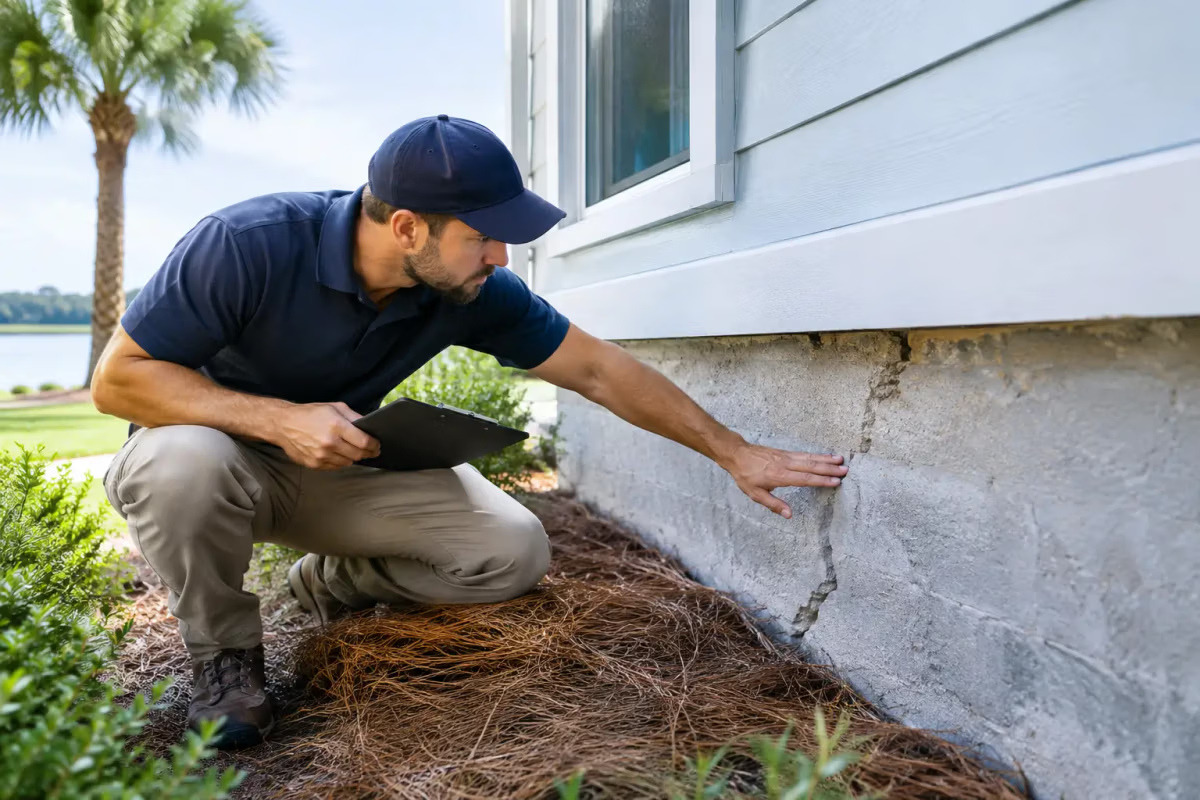
Radon forms as uranium breaks down in soil and rock. Once released, the gas can move through openings where a home meets the ground, including foundation cracks, utility penetrations, plumbing openings, slab joints, crawl spaces, and sump areas. Because radon is colorless and odorless, occupants will not know it is present based on how the home feels or smells.
The long-term health concern is exposure to elevated radon levels. When radon decays, it creates particles that can be inhaled and may damage lung tissue over time. The risk depends on the concentration, how long people spend in the home, and individual factors such as smoking history. This is a long-term air-quality issue, not a symptom-based diagnosis, which is exactly why testing is useful.
Jacksonville’s warm climate and slab-on-grade construction do not automatically eliminate radon risk. Radon levels can vary from one neighborhood to the next and even between neighboring homes. A property’s age, foundation design, ventilation patterns, HVAC operation, and soil conditions can all affect the reading. A low result at one house should not be used to assume another house is low.
When Should You Schedule Radon Testing Jacksonville FL?
The most common time to test is during a real estate transaction. For buyers, adding radon testing to the inspection period gives you a factual result before you are fully committed to the property. If results are elevated, your real estate professional can help determine whether to request mitigation, negotiate an appropriate credit, or obtain additional information before the contingency period ends.
Testing is equally practical for current homeowners. Consider scheduling a test if your home has never been tested, if you are finishing a basement or converting a lower-level space into a bedroom or office, or if you have made major changes to the foundation, HVAC system, or ventilation. Retesting after a radon mitigation system is installed is also essential to confirm that it is reducing levels as intended.
Sellers may choose to test before listing as well. A documented result can prevent last-minute surprises and give the seller time to address an issue on their own schedule. For military families, out-of-state buyers, and anyone working within a tight closing timeline, coordinating radon testing with the general home inspection can reduce delays and keep the process organized.
How Professional Radon Testing Works
A professional test begins with selecting an appropriate location. The device is generally placed in the lowest livable level of the home, in an area that reflects normal occupancy. It should be away from direct sunlight, excessive moisture, drafts, high heat, exterior doors, and other conditions that could interfere with the reading.
Many real estate tests use a short-term monitoring period, commonly at least 48 hours. During that time, closed-house conditions may be requested, which usually means keeping exterior windows and doors closed except for normal entry and exit. The purpose is to capture a more representative indoor reading rather than an artificially diluted result caused by open windows.
Testing equipment and protocol matter. A continuous radon monitor can record hourly measurements and may identify unusual conditions that warrant review. Other approved devices may be used based on the property, timing, and testing requirements. A qualified inspector can explain the method, placement, occupancy instructions, and expected reporting timeline before the test begins.
At House Authority Inspection Service, radon testing can be coordinated with other property inspection services in one appointment when appropriate. That one stop shop approach is especially helpful when buyers also need a general home inspection, mold testing, water sampling, WDO inspection, pool inspection, or insurance-related documentation.
Understanding Your Radon Test Results
Radon is measured in picocuries per liter of air, written as pCi/L. The U.S. Environmental Protection Agency recommends taking action to reduce radon when a home’s result is at or above 4.0 pCi/L. The EPA also advises homeowners to consider mitigation for results between 2.0 and 4.0 pCi/L, particularly when the home is occupied year-round or lower-level spaces are used frequently.
A result below 4.0 pCi/L does not mean radon is completely absent. It means the test result is below the federal action level. Since radon levels can change with weather, season, building operation, and other factors, homeowners may choose to retest periodically, especially after significant renovations or changes in how the home is used.
A result at or above 4.0 pCi/L is not a reason to panic or abandon a transaction automatically. It is a condition that should be addressed with practical next steps. Depending on the result and the situation, those steps may include a follow-up measurement, consultation with a qualified radon mitigation professional, or negotiation of a mitigation plan before closing.
What Radon Mitigation Usually Involves
Radon mitigation is designed to reduce the gas before it enters or accumulates in living areas. In many homes, a mitigation professional installs a system that draws radon from beneath the slab or crawl space and vents it safely above the roofline. Sealing obvious foundation openings can be part of the work, but sealing alone is rarely the complete solution.
The right approach depends on the home’s foundation type and construction. A slab home, crawl space home, and house with multiple foundation sections may require different system designs. Buyers should avoid assuming that every mitigation system has the same scope or cost. A proper evaluation should account for the property itself.
After installation, a follow-up radon test verifies performance. That final measurement matters because the objective is not simply installing equipment. The objective is achieving a lower indoor radon level for the people who live there.
Pairing Radon Testing With a Home Inspection
A general home inspection and a radon test serve different purposes. The home inspection evaluates visible and accessible components such as the roof, structure, electrical system, plumbing, HVAC equipment, and major safety concerns. Radon testing measures a specific environmental condition that cannot be confirmed through a visual review.
Scheduling both services together creates a more complete picture of the property. If the inspection identifies moisture concerns, crawl space conditions, ventilation issues, or foundation observations, those findings may provide useful context while you review indoor air-quality results. They do not predict a radon level, but they can help you understand the home as a system.
This coordinated approach is valuable for buyers who need fast, usable information. Same-day inspection reporting for the visual inspection helps keep decisions moving, while radon results are delivered after the required test period and analysis are complete.
A Practical Step Before You Commit
Radon testing is a small step compared with the cost and responsibility of owning a home, yet it can answer a question that cannot be resolved by a walkthrough or a seller disclosure alone. Whether you are purchasing in Jacksonville, relocating to Northeast Florida, or checking the home where your family already lives, schedule testing early enough to leave room for informed decisions and practical solutions.