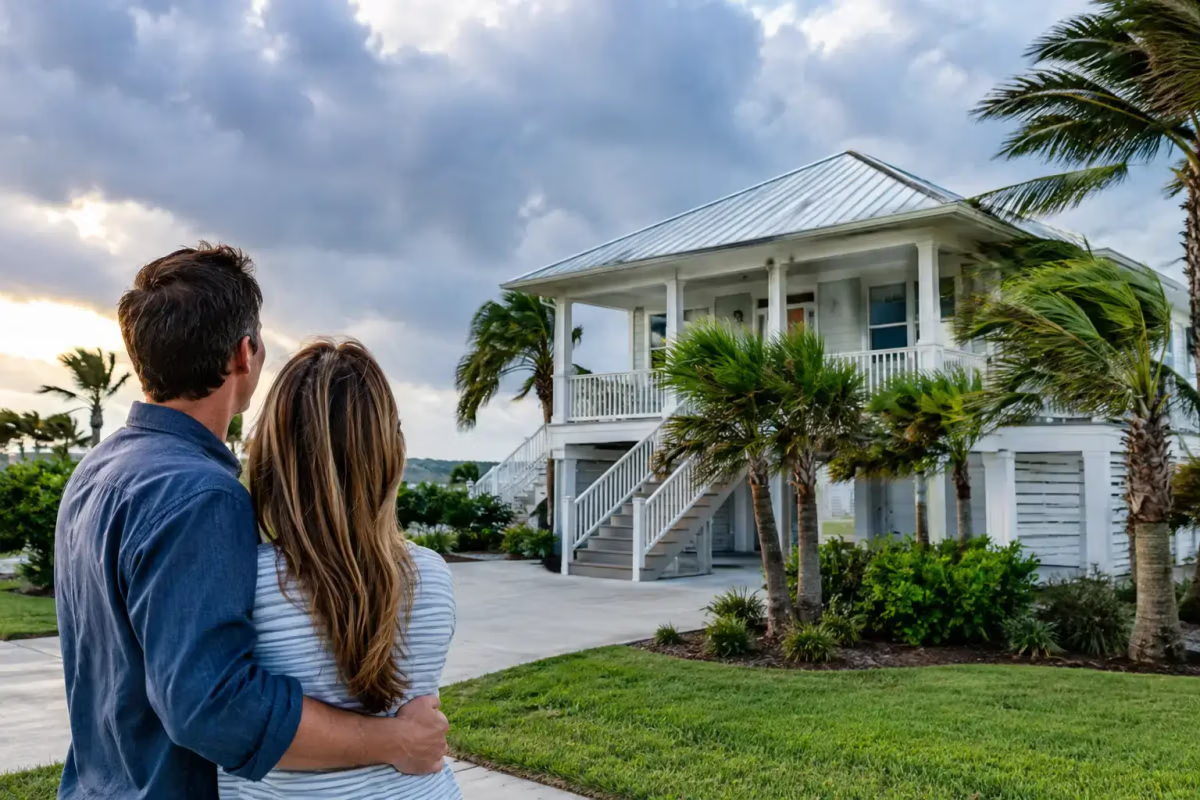
A contract deadline can make a St. Augustine home look simpler than it is. The house may have a new coat of paint, a clean pool deck, and a seller who says everything works. A thorough home inspection St Augustine buyers can rely on looks beyond first impressions, helping you understand the property’s condition before your deposit, insurance application, and moving plans are on the line.
In Northeast Florida, an inspection is not merely a box to check before closing. Moisture, heat, salt air, heavy rain, termites, aging roofs, and older building practices can all affect a home in ways that are not obvious during a showing. The right inspection gives you real results: documented findings, clear photos, and practical information for deciding what to request, repair, monitor, or accept.
Why St. Augustine Homes Need a Closer Look
St. Augustine has a housing mix that ranges from historic properties to new construction, waterfront homes, condominiums, and fast-growing suburban neighborhoods. Each type of property brings different questions. A century-old home may have electrical upgrades made in stages, while a newer home may still have installation defects that should be corrected under a builder warranty.
Florida’s climate adds another layer. High humidity can support mold growth when an air-conditioning system, bathroom vent, plumbing connection, or roof penetration allows moisture to remain where it should not. Seasonal storms can expose weaknesses in roofing, exterior openings, drainage, and pool enclosures. Wood-destroying organisms can cause damage quietly, especially where moisture and wood meet around foundations, trim, decks, or crawlspaces.
A visual home inspection cannot predict every future repair or see behind every wall. It can, however, identify visible deficiencies, signs of past or active moisture intrusion, safety concerns, system conditions, and areas that deserve further evaluation. That distinction matters. A good inspector does not create unnecessary alarm. They explain what is observed, why it matters, and what a qualified contractor or specialist may need to assess next.
What a Home Inspection St Augustine Buyers Should Expect Includes
A comprehensive general inspection evaluates the home’s readily accessible major components. The goal is to provide a practical snapshot of condition at the time of inspection, not to perform a code compliance review or guarantee that a system will never fail.
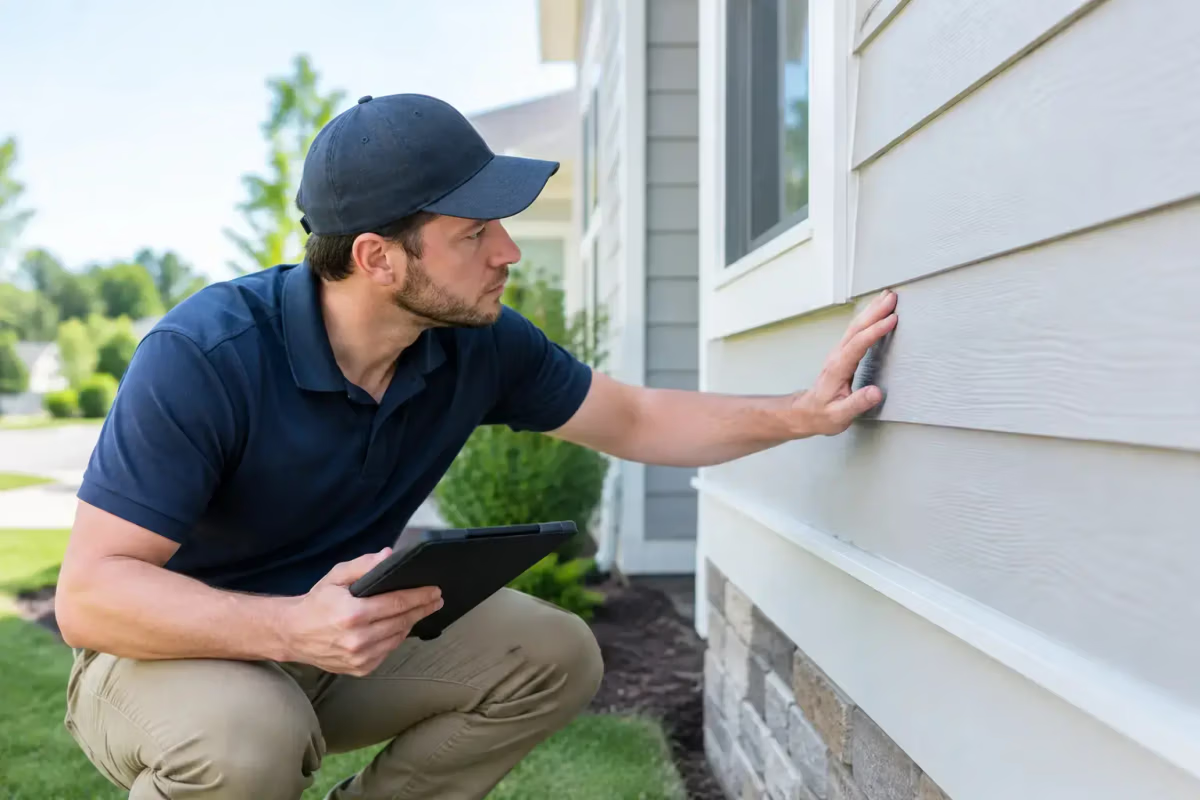
During the inspection, the inspector typically examines the structure, roof, exterior, interior, electrical system, plumbing system, heating and cooling equipment, insulation, ventilation, and built-in appliances. Findings should be supported by clear descriptions and visual documentation whenever possible.
For many St. Augustine properties, a one-stop appointment can also include specialized services that address health, insurance, and transaction concerns:
- A wood-destroying organism inspection can identify visible evidence of termites, wood-decaying fungi, and related concerns.
- Mold inspection and testing can help determine whether moisture-related conditions or suspected mold growth warrant further action.
- Indoor air quality, radon, and water-quality testing can provide additional information about the home environment and household exposure concerns.
- Pool and spa inspections evaluate visible safety and operating conditions for an amenity that can carry significant repair responsibility.
- Wind-mitigation, 4-point, roof-certification, and other insurance-related inspections can help support underwriting requirements and identify documentation needs.
Not every property needs every service. A condominium buyer may have different priorities than a family purchasing a home with a well, septic system, pool, and aging roof. An experienced inspector can help coordinate the right scope based on the property, your lender or insurer requirements, and the questions raised during the general inspection.
Timing Matters Before You Remove Inspection Contingencies
Schedule the inspection as early as possible after your contract is accepted. That gives you time to receive the report, discuss significant findings with your real estate professional, request estimates where needed, and negotiate within the inspection period.
For out-of-state buyers and military families relocating to Northeast Florida, timing is especially important. You may not be able to revisit the home in person before making a decision. Detailed photos, straightforward language, and prompt report delivery help bridge that distance. Same-day report turnaround, when available, can keep a fast-moving transaction from losing momentum while still giving you information worth reviewing carefully.
Buyers should attend the inspection when practical. The walkthrough is your opportunity to ask how key systems operate, learn where shutoffs and panels are located, and hear which maintenance items deserve attention first. If you cannot attend, ask for a report that clearly distinguishes urgent safety or water-intrusion concerns from routine maintenance and long-term planning items.
How to Use Your Inspection Report Without Overreacting
Nearly every home inspection report has findings. Even well-maintained homes can have missing caulk, loose fixtures, aging components, minor drainage issues, or repairs that were completed imperfectly. The presence of a report is not evidence that you should walk away. It is evidence that you now have a clearer picture.
Start by separating findings into three practical categories: conditions affecting safety, conditions that may lead to substantial damage or expense, and maintenance items that can be planned after closing. Active leaks, damaged electrical components, significant structural movement, unsafe pool barriers, mold-like growth connected to moisture, and evidence of wood-destroying organisms generally deserve timely attention.
Then consider the full transaction. A roof near the end of its service life may be manageable if your insurance carrier will write coverage and the price reflects the condition. It may be a different decision if the carrier requires replacement before closing. An older air-conditioning system may be functioning properly today but still be worth budgeting for in Florida’s long cooling season.
Your report should support a focused conversation, not a vague request for the seller to fix everything. Depending on the findings and contract terms, you may request repairs by qualified professionals, seek a credit, renegotiate the purchase price, ask for additional evaluation, or proceed with a better maintenance plan. Your real estate agent and attorney, when applicable, can advise you on the transaction strategy.
Inspections Also Protect Current Owners and Sellers
A home inspection is valuable even when no sale is pending. Homeowners often schedule inspections before listing, after a major storm, before an insurance renewal, or when they notice odors, staining, high humidity, or a change in utility use. Finding a small roof or plumbing issue early may prevent a larger repair later.
Sellers can benefit from knowing about material defects before a buyer’s inspection brings them up under pressure. Addressing legitimate concerns in advance can reduce surprises, support more accurate pricing, and help a transaction stay on track. For new-construction buyers, an independent inspection before final walkthrough and another before the builder warranty expires can document items that deserve correction.
Insurance inspections serve a separate but equally practical purpose. A 4-point inspection generally focuses on roof, electrical, plumbing, and HVAC components for underwriting. A wind-mitigation inspection documents qualifying wind-resistant features. Neither replaces a full home inspection, but both can be important to coverage eligibility and potential premium savings.
Choose a Trusted Inspection Partner, Not Just an Available Appointment
The lowest inspection price may not provide the most useful information. Consider the inspector’s experience in Northeast Florida, licensing and certifications, professional affiliations, report quality, specialized testing capabilities, availability, and response time. Convenience matters, too. Coordinating several necessary services through one company can reduce scheduling delays and give you a more complete view of the property.
House Authority Inspection Service brings more than 24 years of inspection experience to residential clients across St. Augustine and the surrounding region. Its licensed and certified inspectors provide coordinated general, environmental, pool, WDO, new-construction, and insurance inspection services designed to protect buyers, homeowners, and families. Military households should also ask about available discounts and scheduling support.
The best time to learn about a home’s condition is before a small concern becomes your responsibility. Schedule early, read the report closely, ask direct questions, and use the findings to make the decision that fits your family, budget, and plans for the property.