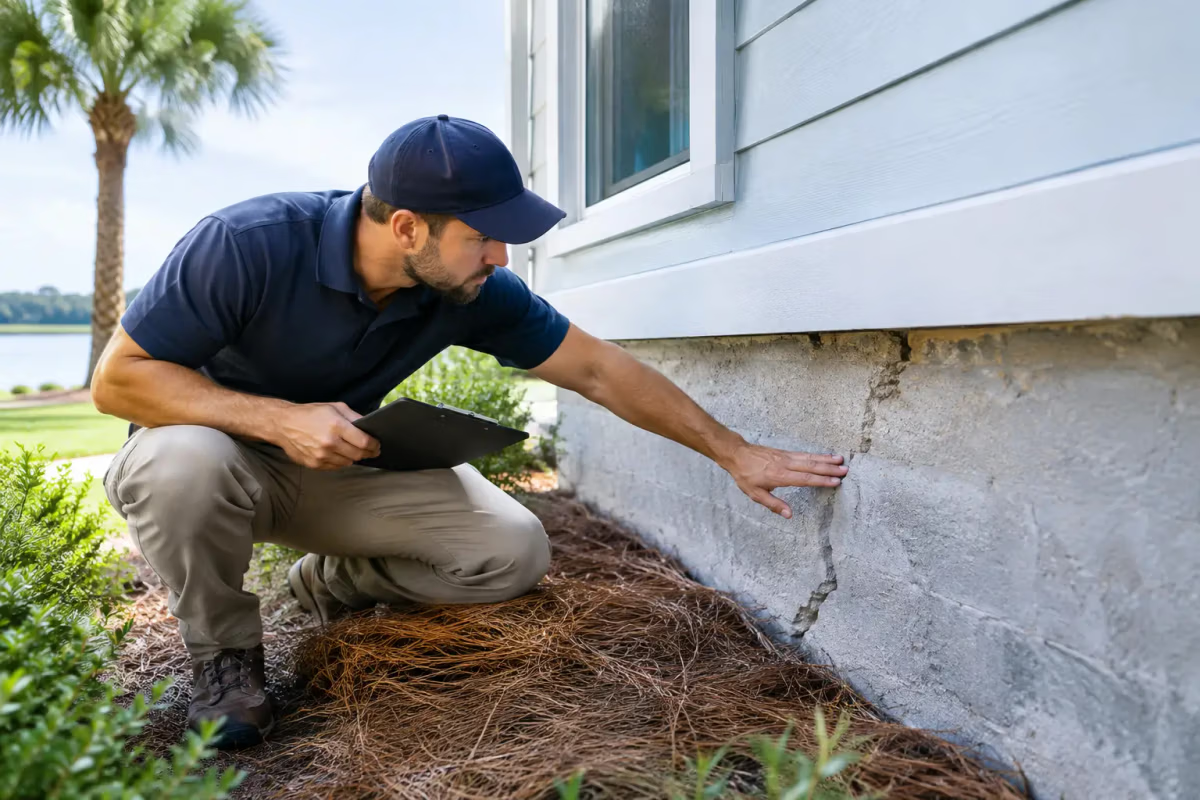
A musty room after a heavy rain is not something to ignore, especially in Northeast Florida. Knowing when should you test for mold can help you respond before a small moisture issue becomes a larger repair, a transaction concern, or an ongoing indoor air quality problem. The right time to test is not always when you can see mold. In many homes, the first warning is persistent odor, recurring moisture, or a problem hidden behind a wall, beneath flooring, or inside an HVAC system.
Mold needs moisture to grow. That makes roof leaks, plumbing failures, high indoor humidity, storm damage, and poorly ventilated bathrooms common starting points. Testing can provide useful information, but it works best as part of a thorough visual inspection and moisture assessment, not as a standalone answer.
When should you test for mold after water damage?
Test for mold when water has entered the home and materials were not dried quickly or completely. Mold growth can begin within 24 to 48 hours under the right conditions, particularly when drywall, insulation, carpet backing, cabinets, or wood framing remain damp.
A small, contained spill that was dried immediately may not call for mold sampling. A burst supply line that soaked a bedroom, a slow leak under a kitchen sink, or water intrusion from a storm deserves a closer look. The concern increases if water was present for more than a day, if the affected area was closed up before drying, or if you are unsure how far moisture traveled.
In Jacksonville, St. Augustine, and surrounding coastal communities, wind-driven rain can force water through compromised roofing, siding, windows, and exterior penetrations. After a tropical storm or a prolonged period of heavy rain, check attic spaces, ceilings, exterior walls, and areas around windows. Bubbling paint, stains, warped baseboards, and a new musty odor are all reasons to schedule an assessment.
Test when you smell mold but cannot see it
A persistent earthy or musty odor is one of the clearest reasons to investigate. Odor alone does not prove the type or amount of mold present, but it suggests there may be a moisture source supporting microbial growth. The source could be under flooring, behind cabinetry, within a wall cavity, around an air handler, or in a crawl space.
Do not assume that air fresheners, surface cleaning, or a dehumidifier has solved the underlying problem. Those measures may reduce the odor temporarily while moisture remains in place. A qualified inspector can look for moisture patterns, visible growth, damaged building materials, drainage concerns, and HVAC conditions that contribute to the issue. If sampling is appropriate, it can help document findings and guide next steps.
Consider mold testing before buying or selling a home
A standard home inspection may identify visible staining, active leaks, poor ventilation, elevated moisture readings, or conditions that are conducive to mold. However, a mold inspection and testing service can add another layer of information when there are warning signs or when a buyer wants greater certainty.
For buyers, testing is particularly worth considering when a home has a history of water damage, an older roof, signs of past repairs, an inaccessible attic or crawl space, a strong odor, or visible discoloration that cannot be explained. It can also be helpful for out-of-state buyers who need detailed documentation before making a high-stakes decision from a distance.
Sellers may choose testing before listing if they know of a previous leak or have corrected a moisture issue. Clear documentation can support a more straightforward conversation with buyers. It does not guarantee that every negotiation question disappears, but it can replace uncertainty with real results and a defined repair path.
For a home under contract, timing matters. Schedule the evaluation early enough in the inspection period to review the findings, obtain estimates if needed, and make informed decisions without unnecessary pressure.
Test after mold remediation or major repairs
Mold testing may be appropriate after remediation, especially when the original concern was extensive, hidden, or tied to a serious water event. Post-remediation testing can help evaluate whether the affected area has been properly cleaned and whether indoor conditions have returned to an acceptable range compared with the outdoor environment.
Testing should not substitute for proper remediation verification. The moisture source must be corrected first. Damaged porous materials may need removal, and the work area should be cleaned and contained appropriately. If a roof leak, plumbing leak, drainage problem, or HVAC condensate issue remains unresolved, mold can return regardless of what an air sample shows on a particular day.
It is also reasonable to reassess after major repairs that opened walls or ceilings and revealed unexpected staining, damp insulation, or microbial growth. Addressing the issue while the area is accessible is usually less disruptive than closing everything up and discovering a problem later.
Pay attention to recurring humidity and HVAC problems
Northeast Florida homes work hard against heat and humidity for much of the year. When indoor humidity stays elevated, condensation and mold-friendly conditions can develop even without a dramatic leak. This is common near supply vents, around windows, in closets against exterior walls, in laundry rooms, and around air handlers.
Consider testing or a mold-focused inspection if you notice recurring condensation, visible spotting around vents, frequent HVAC drain-line backups, rust or moisture around the air handler, or rooms that consistently feel damp. An oversized, poorly maintained, or improperly draining HVAC system can affect comfort and moisture control throughout the home.
Bathrooms also deserve attention. Repeated mildew on ceilings or grout is often a ventilation issue rather than a whole-house mold event. Still, if cleaning does not stop it from returning, if drywall feels soft, or if there is staining on the opposite side of a bathroom wall, further evaluation is sensible.
Household symptoms can be a reason to investigate, not a diagnosis
When occupants experience symptoms that seem worse at home and improve elsewhere, it is reasonable to look closely at indoor environmental conditions. That does not mean mold is automatically the cause. Allergens, dust, pet dander, cleaning products, poor ventilation, and other factors may contribute.
A property inspection can identify moisture and mold-related conditions that need attention, while health concerns should be discussed with a qualified medical professional. This distinction matters because a responsible evaluation focuses on the building conditions that can be measured and corrected rather than making medical conclusions.
What mold testing can and cannot tell you
Mold testing may include air, surface, or material samples, depending on the property and the concern. Air sampling can compare indoor and outdoor conditions. Surface or material sampling can help identify growth found in a specific location. The appropriate approach depends on what is visible, where moisture is present, and what decision the client needs to make.
No single sample can tell the entire story. Mold levels can vary with weather, HVAC operation, open windows, recent cleaning, and the location of hidden growth. That is why visual observations, moisture measurements, building history, photographs, and sampling results should be considered together.
There is also no need to test every time you see a small amount of mildew on a shower caulk line. Clean the surface, improve ventilation, and watch for recurrence. Testing becomes more valuable when the issue is widespread, keeps returning, follows water damage, affects concealed materials, or raises questions during a real estate transaction.
Make the decision before the problem gets expensive
The best time to investigate is when you have a credible warning sign, not after stains spread across a ceiling or a buyer asks for a major credit. If you have had a leak, storm intrusion, unexplained odor, persistent humidity, visible growth, or a home purchase concern, a professional assessment can clarify what is happening and what should be done next.
House Authority Inspection Service helps Northeast Florida homeowners and buyers coordinate mold inspections and testing with other essential property services in one appointment. With clear findings, visual documentation, and prompt reporting, you can make a practical decision based on the condition of the home rather than guesswork.
A dry, well-maintained home is easier to protect than a problem left hidden. When a moisture concern appears, acting early gives you more options, more control, and a better chance to keep your home healthy and your investment secure.