You may be reviewing a Northeast Florida home from hundreds or thousands of miles away, relying on listing photos, a video call, and a contract deadline that does not slow down for travel plans. A home inspection for out of state buyers is your opportunity to replace assumptions with documented facts before you commit to one of the largest purchases of your life.
For buyers relocating to Jacksonville, St. Augustine, or surrounding communities, the inspection needs to do more than produce a checklist. It should show you what the property looks like, explain what the findings mean, identify conditions that may affect safety or insurance, and give you practical information for your negotiations and next steps.
Why Remote Buyers Need a More Complete Inspection
Every buyer benefits from an independent inspection. Remote buyers have an added challenge: they cannot easily return to the property to look at a roof concern, hear an air-conditioning system cycle, or see moisture staining in person. They need clear visual documentation and direct communication from a trusted inspection partner who understands the local housing market.
Northeast Florida homes face conditions that may not be familiar to buyers moving from other regions. Humidity, heavy rain, hurricanes, wind exposure, coastal air, aging plumbing components, and termite activity can all influence a property’s condition and its ongoing cost of ownership. A home that appears well maintained in listing photos may still have roof-age concerns, drainage issues, elevated moisture readings, or electrical components that deserve closer attention.
The goal is not to make every older home look perfect. Most resale properties have maintenance items. The goal is to distinguish routine upkeep from issues that may require repair, further evaluation, insurance documentation, or a change in your purchase strategy.
What a Home Inspection for Out-of-State Buyers Should Include
A comprehensive general home inspection evaluates the visible and accessible condition of major systems and components. This typically includes the roof, exterior, foundation and structure, attic, interior, electrical system, plumbing, heating and cooling equipment, insulation, ventilation, and built-in appliances.
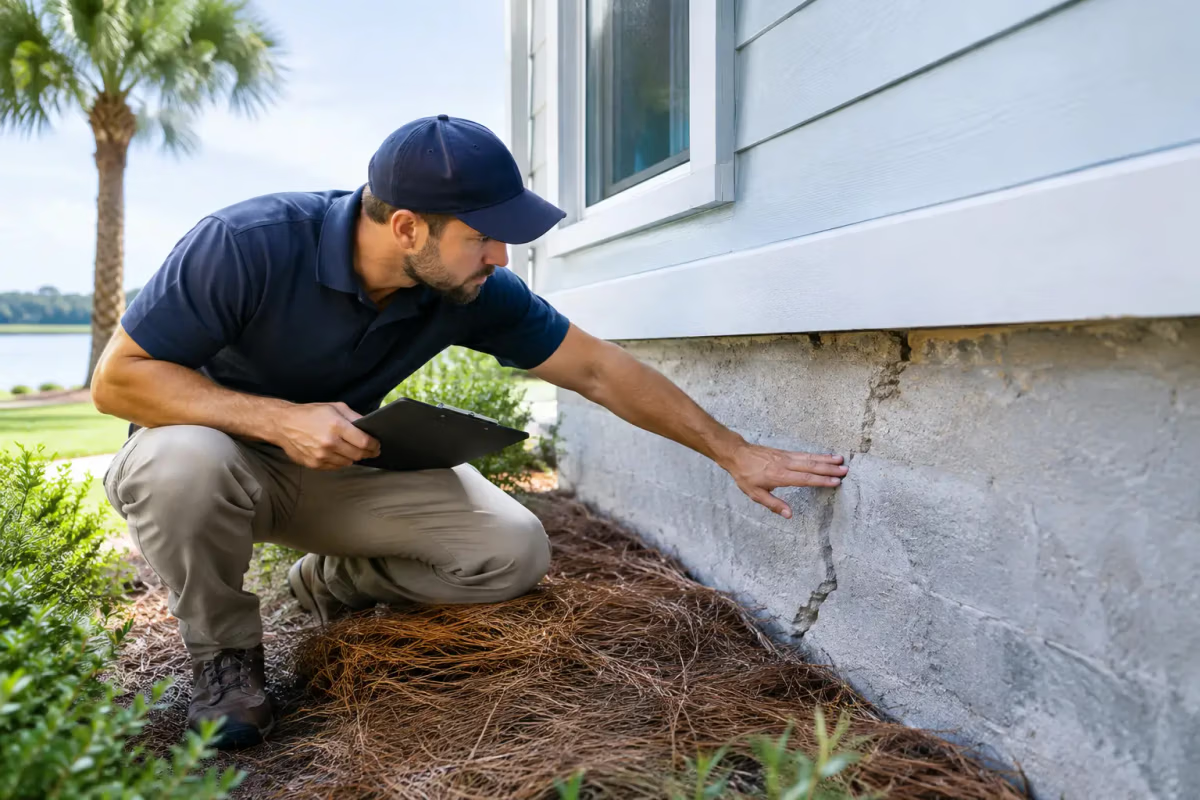
For an out-of-state buyer, photos matter as much as the written descriptions. A useful report should show the location and condition of concerns rather than simply state that an issue exists. If there is evidence of a roof leak, for example, you need images of the staining, notes about the moisture source when identifiable, and a recommendation that helps you understand whether the concern calls for a repair estimate or further review by a qualified contractor.
Same-day report delivery is especially valuable when you are working through a limited inspection period. It gives you and your real estate professional time to review findings, request estimates, negotiate repairs or credits, and make informed decisions without losing momentum in the transaction.
Add Services Based on the Property and Your Plans
One inspection appointment can often address more than the general condition of the home. The right add-on services depend on the property, its location, its age, and the requirements tied to your financing or insurance.
A WDO inspection can identify visible evidence of wood-destroying organisms, including termites and conditions conducive to infestation. This is particularly relevant in Florida, where moisture and warm weather create favorable conditions for pest activity.
Mold inspection and testing may be appropriate when there are visible stains, musty odors, prior water intrusion, or health concerns. Indoor air quality assessments can provide another layer of information when the home has been closed up for an extended period, has a history of moisture problems, or will be occupied by family members with respiratory sensitivities.
Water-quality testing can be useful for homes served by a private well or when you want clarity about the property’s water supply. Radon testing may also be appropriate depending on the home and your risk tolerance. For homes with a pool or spa, a separate pool and spa inspection can identify equipment, safety, surface, and operational concerns that are easy to overlook during a showing.
Insurance-related reports deserve early attention. A 4-point inspection, wind-mitigation inspection, roof certification, or other documentation may affect eligibility, underwriting, or premiums. Ask what your insurer will require before the end of your inspection period. A good inspection strategy considers both the home’s condition and the practical path to insuring it.
How to Participate When You Cannot Attend
Being out of state does not mean being disconnected from the inspection. Arrange a phone or video call with the inspector after the fieldwork is complete, preferably before you make final decisions about your inspection response. This is your time to ask direct questions about the findings that matter most.
Ask which issues are safety concerns, which conditions appear active, which items are likely to become costly soon, and which are ordinary maintenance for a home of this age. Also ask whether a specialist should evaluate a specific system before closing. An inspector identifies and documents conditions; licensed contractors can provide repair scopes and pricing when needed.
Share your priorities in advance. A buyer planning to rent the home immediately may focus on safety, insurance acceptance, and high-cost repairs. A family relocating with young children may want additional attention on indoor air quality, pool safety, and electrical protection. A buyer purchasing a historic St. Augustine property may expect older components but still need a clear picture of what should be addressed first.
If possible, have your real estate agent attend the inspection or final walkthrough. They can see the issues firsthand, help coordinate access for specialists, and provide local context as you prepare a repair request or plan for post-closing work.
Avoid These Remote-Buyer Mistakes
The most expensive mistake is treating the inspection as a formality. A report is not just paperwork required by a lender or contract. It is decision-making information that should be reviewed carefully while you still have options.
Another common mistake is focusing only on the longest list of defects. An older home may have many minor notes, from worn caulk to loose outlets or aging fixtures. Pay close attention to findings involving water intrusion, structural movement, roof condition, electrical safety, plumbing leaks, heating and cooling performance, and conditions that could interfere with insurance coverage.
Do not assume that a seller’s disclosure replaces an inspection. Disclosures can be helpful, but they are not a full visual assessment of accessible systems and components. Likewise, a renovated kitchen or freshly painted room should not be taken as proof that the underlying property is problem-free.
Finally, do not wait until the last day of your inspection period to schedule. Specialty services, contractor evaluations, and insurance questions can take time. Early scheduling gives you room to respond thoughtfully instead of making a rushed decision.
Local Knowledge Makes the Difference
A remote purchase requires an inspector who can communicate clearly and recognize the regional conditions that affect Florida homes. House Authority Inspection Service brings more than 24 years of experience to buyers throughout Jacksonville, St. Augustine, and the surrounding Northeast Florida market, with one-call scheduling for general inspections and many specialty services.
That convenience matters when you are coordinating a move, a lender, an agent, an insurer, and a closing date from another state. A coordinated appointment can provide a clearer view of the home while reducing the back-and-forth of scheduling separate providers. Detailed reporting, visual documentation, and responsive follow-up help you move from uncertainty to real results.
Before you remove an inspection contingency or sign final closing documents, make sure you understand not only what the home needs today, but what you are prepared to own tomorrow. Clear information now can protect your investment, your family’s comfort, and your confidence when you finally walk through the front door.