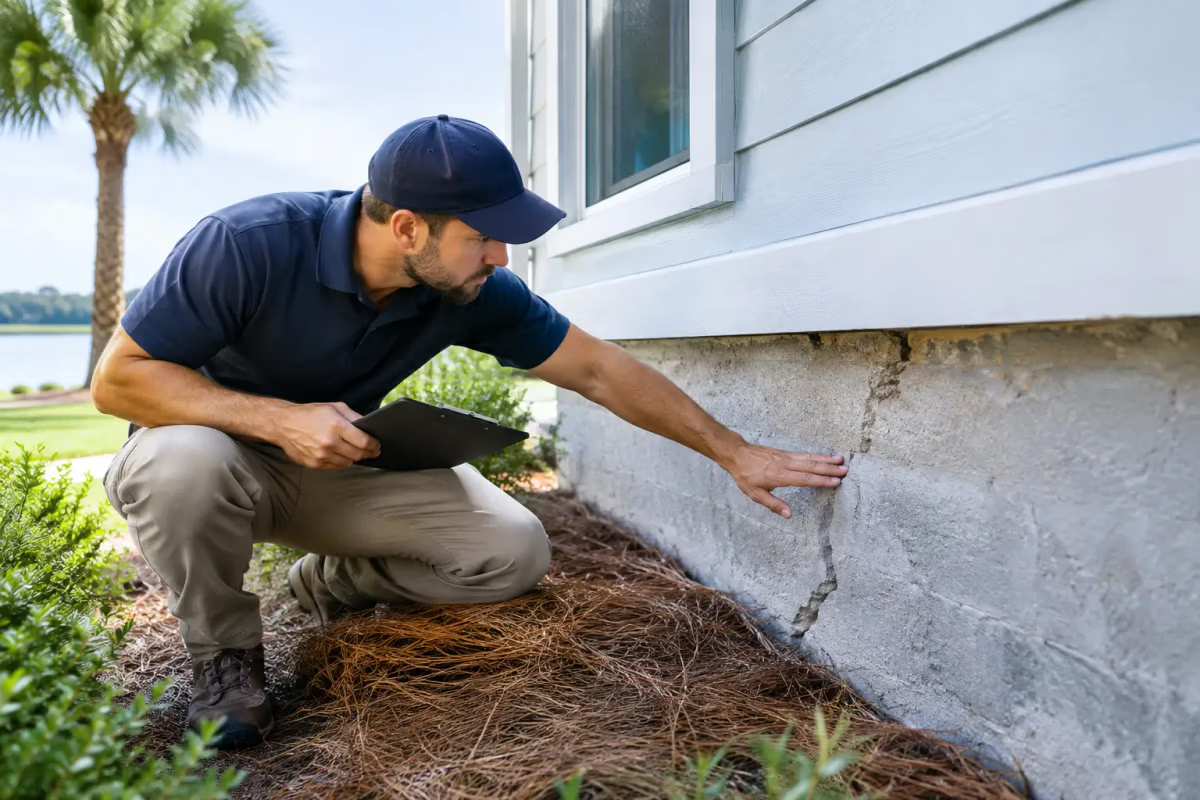
Jacksonville homes work hard against heat, humidity, rain, and long air-conditioning seasons. When a room smells musty after the AC runs, occupants experience recurring irritation, or a home has a history of leaks, the concern is not just comfort. Indoor air quality testing Jacksonville homeowners can rely on provides objective information to help identify conditions that may be affecting the air their family breathes.
For buyers, indoor air concerns can change the terms of a purchase or clarify what should be addressed before closing. For current homeowners, testing can help prioritize a moisture repair, HVAC evaluation, cleaning plan, or mold assessment before a small concern grows. The right inspection is not about creating alarm. It is about getting real results that support a safe, informed decision.
When Indoor Air Quality Testing Makes Sense
Not every home needs air sampling as a routine matter. A well-maintained property with no moisture history, no noticeable odors, and no occupant concerns may not need specialized testing beyond a thorough visual home inspection. Testing becomes more valuable when there is a specific question to answer.
A persistent earthy or musty odor is one common reason to investigate, especially around supply vents, closets, bathrooms, laundry rooms, and under-sink cabinets. Water intrusion from a roof leak, plumbing issue, failed shower surround, window leak, or hurricane-related damage is another. Northeast Florida’s humid climate can allow microbial growth to develop in concealed areas when materials stay damp or an air-conditioning system is not managing humidity effectively.
Testing may also be appropriate when visible staining, suspected mold-like growth, condensation, damaged drywall, warped flooring, or recurring HVAC drain issues are present. Families may request it after a renovation, after discovering a prior leak, or when one room consistently feels different from the rest of the home. Buyers from out of state often benefit from testing when they cannot attend every step of the inspection in person and need detailed findings and photos to guide their decision.
Health symptoms alone do not identify an indoor air problem. Sneezing, coughing, headaches, eye irritation, and respiratory discomfort can have many causes, including seasonal pollen, pets, dust, cleaning products, and medical conditions. However, symptoms combined with moisture evidence or a persistent odor are a reasonable reason to evaluate the property. A qualified inspection helps separate observations from assumptions.
What Indoor Air Quality Testing in Jacksonville Can Reveal
Indoor air quality is broader than mold. Depending on the concern and the property, an assessment may consider moisture conditions, visible microbial growth, ventilation, filtration, HVAC performance indicators, and air samples for comparison. The goal is to understand whether conditions inside the home appear different from normal outdoor conditions and whether there is evidence pointing to an indoor source.
Air sampling can be useful, but it is only one part of the picture. A sample represents conditions at one location and one moment in time. It cannot see behind every wall or prove that a building is free of all contaminants. That is why visual inspection, moisture readings, site history, building construction, and the location of odors or damage matter so much.
Surface sampling may be used when a particular material or visible area needs further evaluation. Moisture meters and thermal imaging can help identify areas that warrant closer attention, such as damp drywall below a window, elevated moisture near a shower, or a possible ceiling leak. These tools guide the inspection. They do not replace professional judgment or necessary repairs.
The findings can lead in different directions. In some cases, the concern is localized and may be resolved by correcting a small leak, removing damaged material, and thoroughly drying the affected area. In others, the results may point to an HVAC drainage issue, insufficient bathroom exhaust, crawlspace moisture, roof intrusion, or a larger remediation need. The correct response depends on the source, the extent of affected materials, and whether active moisture is still present.
Why Jacksonville Homes Need a Moisture-First Approach
Mold needs moisture to grow. That simple fact should shape every indoor air quality conversation in Jacksonville. Cleaning a stained surface without finding the leak, condensation problem, or humidity source can leave the underlying condition untouched.
Air-conditioning systems are especially important in Florida homes because they cool the house and remove moisture from the air. A clogged condensate line, poorly maintained air handler, dirty filter, disconnected ductwork, or oversized system can contribute to comfort and humidity problems. Bathrooms, kitchens, laundry areas, garages, attic spaces, and areas around exterior openings deserve careful attention because they are frequent sources of elevated moisture.
Construction type also matters. A concrete block home, a newer tightly sealed home, a property with a crawlspace, and a residence that has been vacant for months can each present different moisture and ventilation patterns. There is no single reading or air sample result that applies equally to every house. Reliable testing considers the home as a system.
For sellers, that approach can prevent surprises after a buyer’s inspection. Addressing an active leak or documented moisture issue before listing may reduce delays and help support a cleaner transaction. For buyers, it provides information that can be used to request repairs, seek further evaluation, plan remediation, or move forward with clearer expectations.
What to Expect From a Professional Assessment
A professional indoor air quality inspection should begin with a conversation about the property. Relevant details include when odors occur, where a leak was found, whether repairs have already been made, how long the home was vacant, and whether occupants have noticed concerns in specific rooms. That history helps focus the inspection where it matters.
The field assessment should include a visual review of accessible areas, attention to moisture-prone components, documentation of observations, and testing recommendations based on actual conditions. If samples are collected, they should be handled using an appropriate process and interpreted alongside the inspection findings rather than presented without context.
Clear reporting is essential. Homeowners and real-estate stakeholders need more than technical terminology. They need to know what was observed, where it was found, what limitations existed, and what practical next step makes sense. A report may recommend repair by a qualified contractor, HVAC service, further invasive investigation, or remediation when conditions support that need.
House Authority Inspection Service provides a one-stop inspection option for Northeast Florida property owners who need indoor air quality, mold, general home, radon, water-quality, and other inspection services coordinated efficiently. With more than 24 years of inspection experience, the focus is on clear documentation, actionable findings, and timely information for buyers, homeowners, and real-estate professionals.
Preparing for the Inspection and Testing Appointment
There is usually no need to deep-clean or conceal areas of concern before an appointment. Doing so can make it harder to understand the condition of the property. Instead, make accessible areas available where practical, including closets, utility rooms, air handlers, attic access points, and areas near known leaks or odors.
Avoid making major changes immediately before testing unless needed for safety or to stop active water damage. If a leak is active, stopping the water source and beginning drying should take priority. Take photos of visible conditions before repairs when possible, and keep invoices or records for past work. Those details can be helpful when interpreting current conditions.
If the home is occupied, tell the inspector about recent painting, cleaning, renovations, pest treatment, or HVAC repairs. These events may influence odors or conditions in the home. Accurate background information produces a more useful assessment.
Make the Next Decision With Better Information
A musty smell is not a diagnosis, and an air sample is not a repair plan. The most useful indoor air quality evaluation connects the evidence to the home itself: where moisture may be entering, what materials may be affected, and which professional should address the source.
If you are buying, selling, or caring for a Jacksonville-area home with a moisture history, unexplained odor, or air-quality concern, schedule an inspection while there is still time to act on the findings. Clear answers can protect your investment, support a healthier home, and help you move forward with confidence.