A WDO inspection Jacksonville FL buyers schedule can uncover concerns that are easy to miss during a showing: termite activity behind a baseboard, wood decay beneath a bathroom, or damage in a dark crawl space. In Northeast Florida’s warm, humid climate, wood-destroying organisms are a practical property risk, not a remote possibility. Before you commit to a home, clear documentation gives you a stronger basis for negotiations, repair decisions, and long-term planning.
Why WDO Inspections Matter in Jacksonville
WDO stands for wood-destroying organisms. In Florida residential properties, the inspection commonly focuses on termites, wood-destroying beetles, wood-destroying fungi, and carpenter ants. These organisms do not all cause damage in the same way, but each can affect wood components in a home.
Subterranean termites are a major concern because they can travel from the soil into a structure through small gaps, utility penetrations, or foundation areas. Drywood termites may live directly in dry wood and can be found in framing, trim, doors, window components, or attic materials. Wood-decay fungi require moisture, which makes plumbing leaks, poor drainage, roof leaks, and humid crawl spaces especially relevant.
A WDO inspection does more than look for insects. It helps identify conditions that may support future activity, such as wood-to-soil contact, excessive moisture, deteriorated exterior trim, or inaccessible areas where further evaluation is warranted. For a buyer, that information helps put the home’s apparent condition into context.
What a WDO Inspection in Jacksonville FL Covers
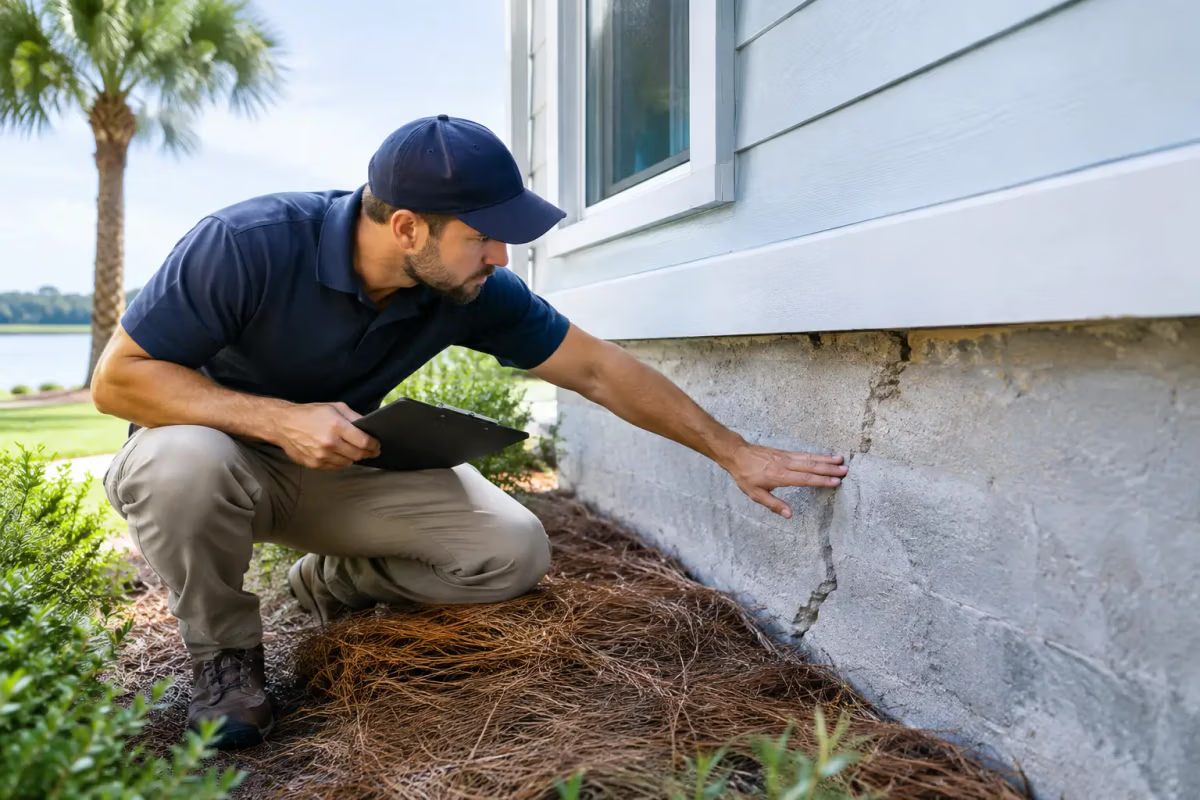
A licensed inspector performs a visual inspection of readily accessible areas of the structure and surrounding property. This can include the exterior walls, foundation, porches, decks, garages, attic areas, interior rooms, accessible crawl spaces, and visible structural components.
The inspector looks for signs of live activity, previous damage, and conditions conducive to infestation or decay. Evidence may include mud tubes associated with subterranean termites, frass left by drywood termites or beetles, damaged or hollow-sounding wood, moisture staining, fungal growth, and soft or deteriorated framing.
The inspection report documents visible evidence at the time of the inspection. It is not a guarantee that every concealed condition can be found. Finished walls, stored belongings, insulation, flooring, landscaping, and inaccessible crawl spaces can limit visibility. That limitation matters because a clean report is valuable, but it should never be interpreted as a lifetime warranty against future termite activity or water-related wood damage.
The Report Is a Decision-Making Tool
When a report identifies a concern, the next step depends on what was found. Active termite evidence may call for treatment by a qualified pest-control provider and a clearer assessment of any damaged wood. Evidence of prior treatment or old damage may require confirmation that the condition is inactive and that repairs were completed properly.
Wood decay should also lead to a search for the moisture source. Replacing damaged trim without correcting a roof leak, drainage issue, plumbing leak, or ventilation problem can allow the same problem to return. A useful inspection process connects the visible evidence to practical next steps rather than leaving buyers with a vague warning.
Active Infestation, Old Damage, and Conducive Conditions
These findings carry different weight during a real estate transaction. An active infestation means there is current evidence of organisms or fresh activity. This generally deserves prompt attention because treatment may be needed before closing or shortly after possession.
Old damage does not automatically mean the home has an active problem. A prior termite issue could have been treated years ago, and the affected area may have been repaired. Still, buyers should ask whether the wood remains structurally sound, whether repairs are documented, and whether the property has ongoing termite protection.
Conducive conditions are not proof of infestation, but they are not findings to ignore. Soil against siding, mulch piled high around the exterior, leaking hose bibs, poor grading, standing water, and exposed untreated wood can increase risk. In Jacksonville, where rain, humidity, and warm temperatures can persist for much of the year, correcting these conditions is sensible preventive maintenance.
How WDO Findings Affect Your Purchase
A WDO report can influence negotiations, but the appropriate response depends on the condition and the contract. Minor conducive conditions may be manageable maintenance items. Visible active activity, widespread damage, or extensive decay can justify requesting treatment, repairs, a specialist evaluation, or a credit.
Buyers should avoid assuming that treatment and repair are the same thing. Pest treatment addresses the organisms. It does not necessarily repair compromised framing, trim, flooring, or structural members. If the report indicates damaged wood, ask who will evaluate the extent of damage and who will confirm that repairs are complete.
For out-of-state buyers and military families relocating to Northeast Florida, detailed photos and clear reporting are particularly valuable. You may not be able to revisit the home before the end of your inspection period. Timely, understandable findings help you coordinate with your real estate professional and make decisions without unnecessary delay.
WDO Inspections and General Home Inspections
A general home inspection and a WDO inspection work well together, but they serve different purposes. A general inspection evaluates the visible condition of major systems and components, including roofing, electrical, plumbing, HVAC, structure, and more. A WDO inspection specifically evaluates visible evidence of wood-destroying organisms and related damage or conducive conditions.
One inspection may reveal clues that support the other. For example, a general inspection can identify a moisture concern near a shower or exterior wall, while a WDO inspection can document visible fungal decay or insect-related evidence in nearby accessible wood. Scheduling both services in one coordinated appointment can save time and provide a more complete picture of the property.
Depending on the home and your concerns, it may also make sense to add mold testing, indoor air quality evaluation, radon testing, water-quality sampling, or a pool and spa inspection. The right combination depends on the property’s age, location, construction, visible conditions, and your family’s priorities.
When to Schedule a WDO Inspection
For a home purchase, schedule the WDO inspection as early as possible in the due-diligence period. Early scheduling provides time to review findings, request additional evaluation if needed, obtain repair estimates, and address contract questions before deadlines become urgent.
Sellers can also benefit from obtaining an inspection before listing. Identifying active termites, moisture-related decay, or exterior conditions in advance gives the seller time to make informed repairs. It can reduce surprises after a buyer’s inspection and support a smoother transaction.
Current homeowners should consider a WDO inspection when they notice soft wood, bubbling paint, moisture stains, sagging floors, insect wings, frass, or mud tubes. A sudden increase in moisture around the home, a plumbing leak, or storm-related water intrusion can also justify an evaluation.
Choose an Inspector Who Understands Northeast Florida Homes
The value of a WDO inspection rests on careful observation, clear documentation, and responsive communication. Look for a licensed and certified inspection provider with local experience across Jacksonville, Saint Johns, St. Augustine, and the surrounding counties. A timely report matters, especially when you are working within a real estate inspection period.
House Authority Inspection Service provides WDO inspections as part of a one stop shop approach to residential property assessment. With more than 24 years of inspection experience, same-day report turnaround, and the ability to coordinate multiple inspection services in one appointment, the goal is real results for buyers, homeowners, and families making important property decisions.
A home can look well maintained and still have concealed wood-destroying organism risks. Schedule the inspection early, read the report carefully, and use the findings to protect both your investment and the people who will call the property home.