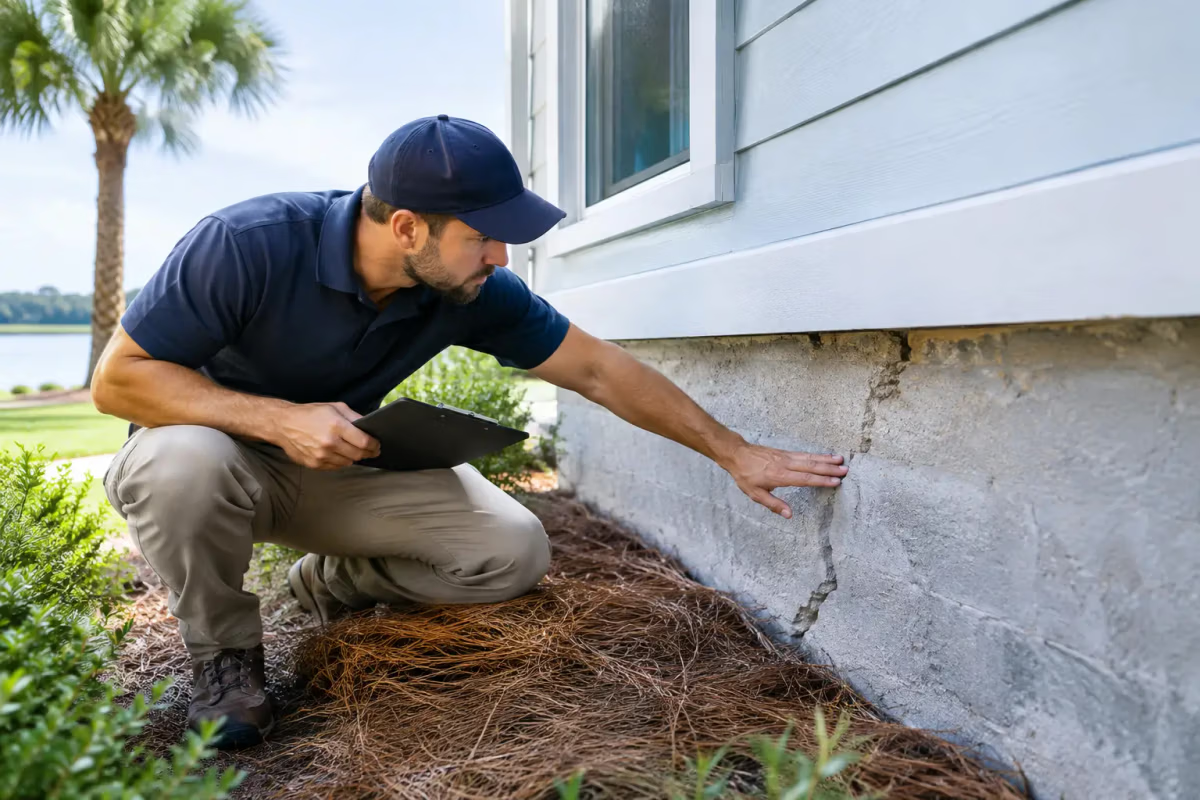
A wind mitigation inspection Jacksonville homeowners request is not a prediction that a storm will strike tomorrow. It is a documented look at the features that may help a home resist wind damage when severe weather does arrive. For many Northeast Florida property owners, the immediate reason is an insurance application or policy review. The larger value is knowing how the roof, openings, and structural connections may perform when conditions turn serious.
Jacksonville homes face a wide range of wind exposures, from older properties with original construction details to newer homes built under more recent codes. A proper inspection gives the insurer verified information rather than assumptions. It can also give buyers and homeowners a clearer basis for repair priorities, renovation plans, and conversations with their insurance agent.
What a Wind Mitigation Inspection Documents
A wind mitigation inspection is a focused insurance inspection, not a full home inspection and not a guarantee against storm damage. The inspector reviews visible, accessible features that are recognized on Florida’s wind mitigation verification form. The form is designed to document specific construction details that can reduce the chance of wind-related loss.
The inspection typically addresses the building code period associated with the home, the roof shape, the roof deck attachment, roof-to-wall connections, and the protection provided for windows, doors, garage doors, skylights, and other openings. Supporting documentation matters. An inspector may use photographs, permits, product approvals, labels, or other available records to verify a feature correctly.
A favorable feature should never be guessed. For example, a homeowner may know that a roof was replaced recently, but a newer roof alone does not automatically establish the type of roof deck fastening or roof-to-wall connection present. Those details must be visible, documented, or otherwise verifiable under the applicable form requirements.
Why Jacksonville Insurance Carriers Ask for It
Insurers use wind mitigation information to evaluate certain wind-loss characteristics of a property. Depending on the carrier, policy, location, home age, and documented features, the completed form may support available premium credits. The inspection itself does not set rates, approve coverage, or promise savings. Those decisions remain with the insurance carrier.
That distinction protects homeowners from unrealistic expectations. A wind mitigation report can be highly valuable even when it does not produce the savings someone hoped for. It provides an organized record of the home’s documented wind-resistant features, which can help an agent or carrier review eligibility accurately.
For buyers, obtaining the inspection during the due-diligence period can prevent last-minute insurance surprises. For current homeowners, it is particularly useful after roof work, window replacement, garage-door replacement, or other upgrades that may improve the home’s documented protection. Sellers may also benefit from having current inspection information ready when buyers ask about insurance costs.
What the Inspector Looks For
The process is efficient, but it is detail-driven. The inspector examines accessible attic areas, exterior openings, the roof’s visible condition and configuration, and relevant labels or documentation. Clear photos are a central part of the report because they allow the findings to be supported during an insurance review.
The major categories generally include:
- Roof shape: A hip roof may receive different treatment from some insurers than a gable roof because its shape can perform differently under wind loads.
- Roof deck attachment: The size and spacing of fasteners attaching the roof sheathing can affect how the deck resists uplift forces.
- Roof-to-wall connection: Straps, clips, toe nails, or other connections help transfer wind loads between the roof structure and the walls.
- Opening protection: Rated impact protection or qualifying shutter systems for windows, doors, garage doors, and skylights can reduce the risk of breach from wind-borne debris.
Each category has technical definitions and documentation standards. A garage door that appears sturdy, for example, may not qualify as a protected opening unless its rating label or approved documentation supports that conclusion. Similarly, shutters must meet the required criteria and cover the applicable openings to receive the relevant credit.
The Difference Between Wind Mitigation and a Roof Inspection
Homeowners often group every roof-related service together, but they answer different questions. A roof certification or roof inspection focuses on the roof’s condition, remaining serviceability, visible defects, and potential maintenance needs. A wind mitigation inspection focuses on construction features tied to wind-loss risk and insurance classification.
A roof can be in good visible condition yet have limited documented wind mitigation features. The reverse can also be true: a home may have strong roof-to-wall connections and protected openings while still needing roof repairs. When insurance requires more than one report, combining services in a coordinated appointment can reduce scheduling stress while giving the homeowner a more complete picture.
A 4-point inspection is also separate. It generally evaluates the condition of the roof, electrical system, plumbing, and HVAC system for insurance underwriting. A full home inspection goes further still, reviewing many readily accessible systems and components. Knowing which report your carrier needs before scheduling helps avoid delays.
When to Schedule a Wind Mitigation Inspection in Jacksonville
The best time depends on why you need the report. Buyers often schedule it with their general home inspection, especially when insurance quotes are part of the purchase decision. This is practical for out-of-state buyers and military households coordinating a move, since one appointment can produce several needed inspection reports and visual documentation.
Current homeowners should consider scheduling when an insurer requests updated information, when shopping for a new policy, or after completing qualifying improvements. If the home has had a roof replacement or new impact-rated windows installed, ask whether permits, invoices, product approvals, and final inspection records are available. Those documents can be useful, although the inspector must still follow the verification requirements for the form.
It also helps to schedule before a policy deadline rather than waiting until coverage is about to lapse. Attics may need to be accessible, garage doors may need to be opened for label review, and any relevant paperwork should be gathered ahead of time. A little preparation supports a cleaner, faster inspection process.
Preparing the Home for an Efficient Visit
You do not need to make the home perfect for a wind mitigation inspection, but access makes a difference. Clear a path to the attic access point and move stored belongings that block it. Make sure the inspector can reach windows, exterior doors, and garage doors. If shutters or panels are stored away, have their product information, installation instructions, and any approval documents available if applicable.
Do not remove drywall, siding, or roof materials to expose components. The inspection is based on visible and accessible conditions along with acceptable documentation. If a feature cannot be verified, it cannot simply be assumed. That may feel frustrating, but accurate reporting protects the homeowner and the insurance review process.
When scheduling with House Authority Inspection Service, homeowners can coordinate wind mitigation with other needed services, including a 4-point inspection, roof certification, full home inspection, mold testing, or water-quality testing. This one stop shop approach is especially useful when a transaction or insurance deadline involves several moving parts.
Choosing an Inspection Partner You Can Rely On
Insurance paperwork is only useful when the findings are clear, supported, and delivered promptly. Look for an inspection company with local experience, properly licensed and certified inspectors, careful photo documentation, and a process built around responsive communication. Same-day report turnaround can be especially helpful when a buyer, lender, agent, or insurance representative is waiting on the next step.
Experience also matters because Northeast Florida housing includes many construction eras and roof configurations. A trusted inspection partner understands that every property is different. Older homes may require closer review of accessible framing connections, while newer homes may have more readily available labels, permits, and code-related records. The goal is not to force a home into the best category. It is to document real results accurately.
A wind mitigation report is one practical way to turn questions about a property into usable information. If you are buying, renewing insurance, or planning improvements in Jacksonville, schedule the inspection early enough to use the findings with confidence and make decisions before time pressure takes over.